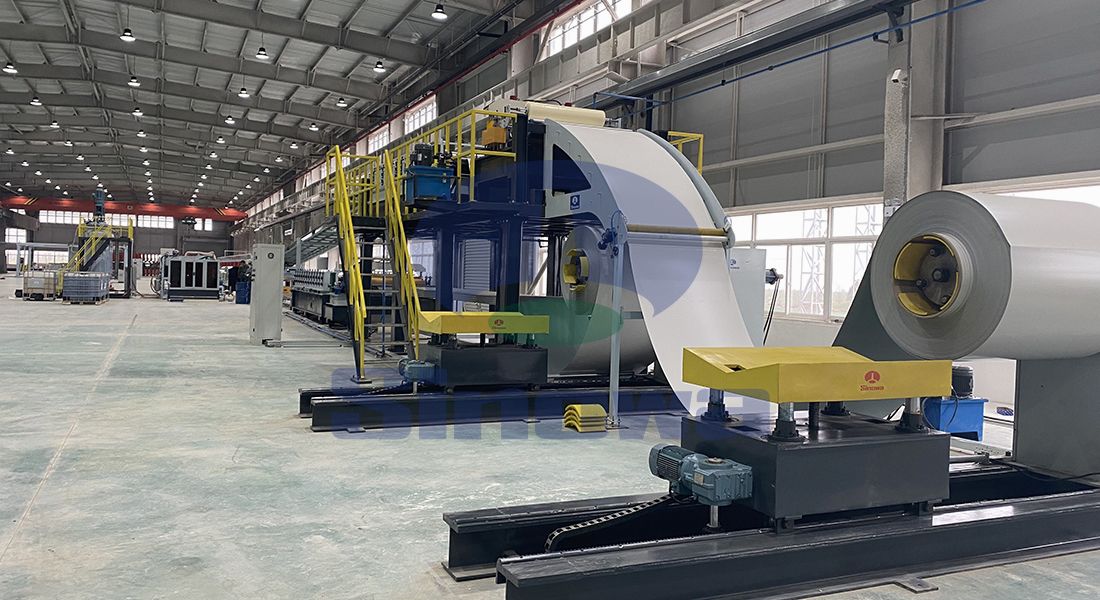
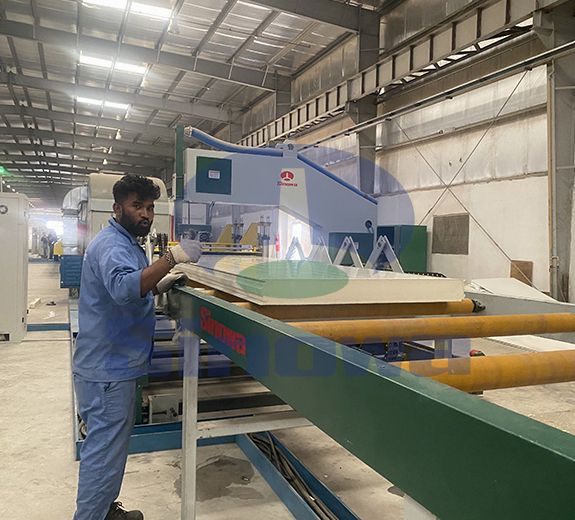
Sinowa is a well-known Polyurethane Sandwich Panel Machine Supplier From China, Dedicated to the research and development of high-end & high-efficiency polyurethane sandwich panel machine, Sinowa is comprehensively taking the leading position in terms of efficiency, automation control level, HMI, environment protection and energy consumption, with subversive designs made in some critical technological fields to procure exceptional cost performance and customer-friendly experience for the entire polyurethane sandwich panel machine.
The adoption of system integration technology and bus control technology accomplishes the full automatization of integrated and coordinated control of the entire polyurethane sandwich panel machine with accessible remote interactive communication. Ranking the first-class level in the world, it is currently the continuous pu sandwich panel line in the market taking a comprehensive lead in high performance.
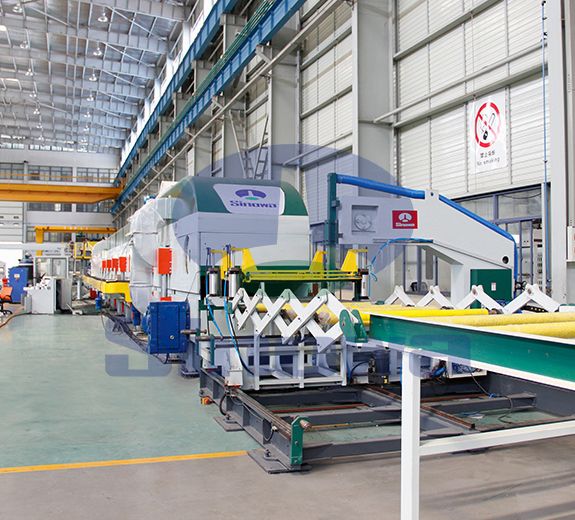
Based on the continuous technological pursuit, the polyurethane sandwich panel machine developed by Sinowa provides you with high-efficiency industrial value. Based on China's cost advantage and our hard-working technology concept, our sandwich panel production line has a world-leading price-performance advantage. Polyurethane Sandwich Panel Machine can meet a variety of production needs of customers.The whole sandwich panel line design concept of modularization enables all our components to be integrated and combined at will.
Our polyurethane sandwich panel machine can easily automate the production of roof sandwich panel, wall sandwich panel, cold storage sandwich panel and other products by different combination and configuration selection and siple switching. The inner core layer can be polyrethane or rock wool, glass wool, an so on.
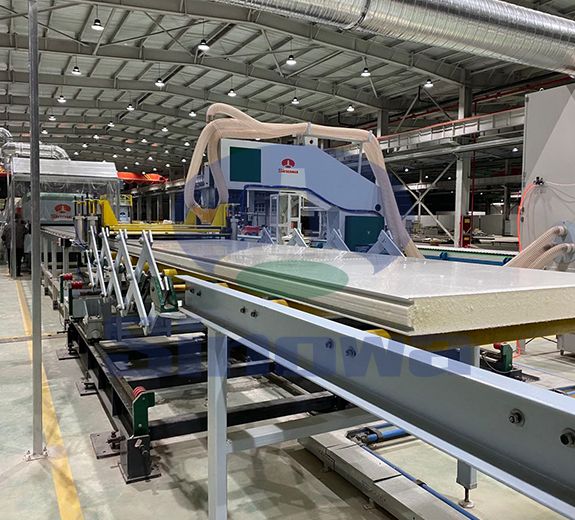
The polyurethane sandwich panel machine has high adaptability, which may produce various sandwich panel of the PU, PIR and rock wool systems.
We may design various products according to the customer’s requirements, including various configurations, so as to meet their demands with flexible price system.
Highly integrated and linked control system centralizes all control points at the main central center, achieving parameter linkage, fault self-diagnosis controlled by the whole continuous sandwich panel line and shipping distance control.
High-level automatic control system also saves the manpower and reduces the manpower loss for customers.
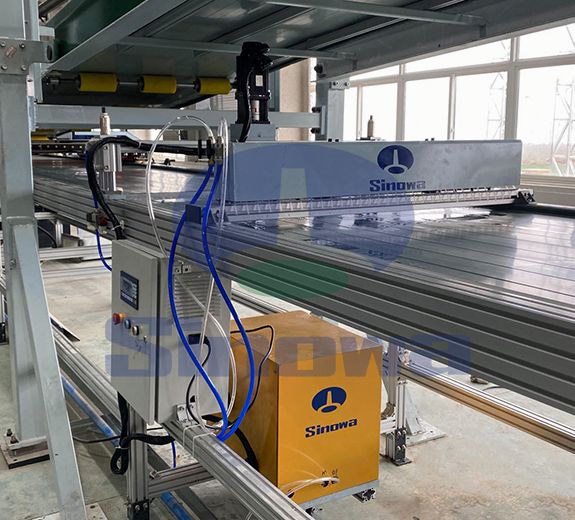
Concentrated system control is fully realized in the practice of concentrated process control so that the control system of all the movements of the parts in the polyurethane sandwich panel machine is integrated in one process control console with accessible remote communication to elevate the automation and reduce the allocated number of personnel for the assembly line.
The main engine with modularized design achieves the precision operation of the polyurethane sandwich panel machine, stable and reliable quality, less part and maintenance loss.
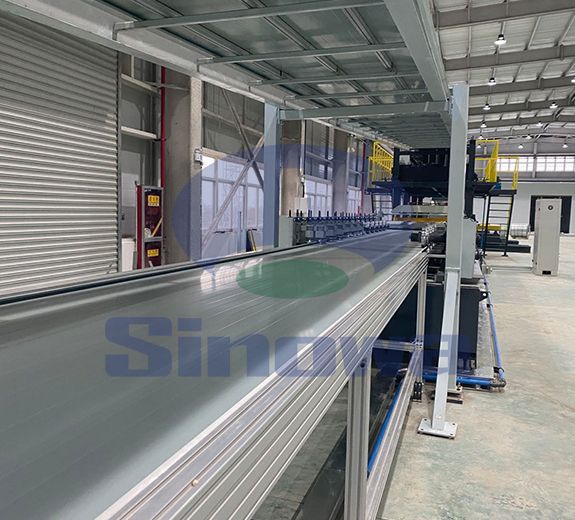
The whole polyurethane sandwich panel machine is strictly modularized in design to ensure the greatest probability for the parts to be interchangeable, making it the most cost- and energy-saving. No joining made manually, all the key processes of the parts are completed in the machining center. As soon as the parts are inspected and warehoused, they enter into the assembly process. The modularized assembly can not only greatly increase the production efficiency but, most importantly, realize quick delivery as well. It elevates the reliability of product quality to a totally new level and minimizes the influence from human factors.
The whole polyurethane sandwich panel machine has over 40 innovative inventions, making our products have lots of unique features and the comprehensive performance of our production line leading in the industry.
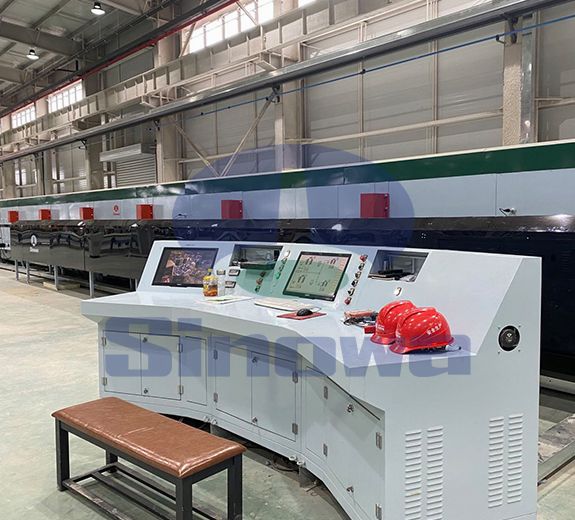
The precision servo hoisting mechanism employed by the main engine without hydraulic system makes the board thickness control flexible and the customer may conveniently change or adjust the board thickness. There will be not such troubles as hydraulic system adjustment, leakage, maintenance, etc.
High-level energy saving and protection design makes the whole polyurethane sandwich panel machine possible to produce around the clock throughout the year and the customer will save huge budget. In addition, the isolated heat preservation room is constructed for warming the environment. The energy saving and protection design of our high-tech polyurethane sandwich panel machine may guarantee that the customer’s production line may be freely heated and produce in the main time to save more costs for customers.
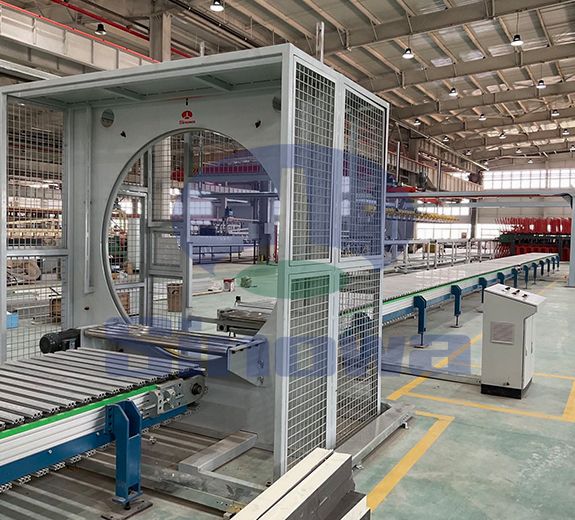
The high-power low-consumption design quickens the reaction of the polyurethane sandwich panel machine while energy consumption is kept low.
With the brand-new, fully sealed inner insulation design, the energy consumption is controlled at the minimum level to achieve the design objective of less than an hour for the insulation system to be activated from the room temperature above 5℃ to the production process temperature.
The energy consumption is only 40% that of those similar products.
| PRODUCTION TYPE | PU | PIR | PHENOLIC | |||
|---|---|---|---|---|---|---|
| PRODUCTION USE | INSULATION PANEL | DOCORATIVE PANEL | ||||
| SURFACE OF SHEET | ALUMINUM FOIL | NON-WOVEN FABRIC | PAPER | NAKED | ||
| PRODUCT THICKNESS | 10m--- 200mm | |||||
| PRODUCTION SPEED | 3.0m---25m |
|---|---|
| FOAMING METHOD | TWO OR MULTI COMPONENTS FOAMING |
| FOAMING AGENT | PENTANE OR 141B |
| LENGTH OF LINE | 45m—100m CUSTOMER OPTIONAL |
Sinowa is a well-known manufacturer and technical service provider of high-end polyurethane insulation board production lines and various high-performance cold roll forming machine in China. Our main products include polyurethane double-sided color steel sandwich panel production line, polyurethane and phenolic soft facing insulation panel production line and high-efficiency roll forming machines.
Sinowa has invested outstanding efforts in both the insulation board production line and the roll forming line, This is why our products are more efficiency, quality, automatic control technology, environmental protection, energy consumption indicators and the appearance and safety protection are comprehensively leading, Some subversive design changes in many major technical points,these major innovations make our products excellent in price/performance and user experience.
Sinowa is committed to the development and manufacturing of high-end and high-efficiency sandwich panel production lines. Our sandwich panel production lines are leading the way in efficiency, automatic control, human-computer interaction, environmental protection and energy consumption. Using system integration and bus control technology, it realizes the automatic integrated linkage control of the entire production line, and can achieve remote interactive communication, which has the world-class level and a comprehensive leading high-performance production line in the market.
The construction industry keeps searching for efficient ways to create sturdy, insulated building envelopes that fit modern project timelines and performance expectations, and polyurethane sandwich panel machines built for wall panel production have become a core piece of equipment in this shift. These machines are engineered to continuously combine different surface facings with a rigid polyurethane foam core, forming wall panels that integrate structural support and thermal insulation within a single finished component. The whole production sequence unfolds in a streamlined line, starting from the unwinding of metal or composite sheet materials, moving through surface preparation and chemical mixing stages, and ending with continuous foaming, pressing, curing, and cutting to the required panel dimensions. Operators can adjust key parameters across the line to modify foam density, panel thickness, and facing alignment, which means the output can adapt to many different wall layout needs for low-rise and large-span building structures. Compared with manual or segmented fabrication methods, this continuous manufacturing process greatly reduces inconsistencies between individual panels, making it easier for installers to fit panels together neatly on site. The machine design focuses on steady material feeding and uniform foam expansion, as uneven foaming can create weak spots or gaps that compromise the insulating function of the final wall product. Even for extended production runs, consistent control over raw material ratios helps maintain predictable panel quality from the first piece to the last one off the line.

Raw material handling sits at the heart of reliable operation for a polyurethane sandwich panel machine intended for wall use, since the quality of the foam core directly shapes the long-term performance of finished wall panels. Two primary liquid chemical components are delivered through controlled pumping systems into a mixing head, where they combine rapidly before being distributed evenly between the two outer facings. Precise metering prevents excess or insufficient reaction of the polyurethane mixture, as an imbalance will alter how the foam rises and sets inside the panel cavity. The distribution mechanism spreads the mixed liquid across the width of the moving facings without pooling or leaving bare areas, ensuring that every section of the wall panel gains a continuous insulating core. Surface facings pass through guiding rollers that keep them flat and properly spaced as the foam begins to expand and cure, maintaining the designed panel thickness throughout the forming zone. Some auxiliary sections of the line clean and lightly treat the facing surfaces before foam application, improving adhesion between the foam core and outer layers so the assembly does not delaminate under normal environmental stress. Operators monitor flow rates and mixing conditions in real time, making small adjustments whenever material viscosity shifts due to ambient temperature changes inside the production workshop. Stable raw material delivery also cuts down on wasted chemicals and defective panels, supporting smoother workflow and less disruption to scheduled production batches.
The double-belt pressing section defines the shape and dimensional accuracy of wall panels as the polyurethane foam undergoes its curing cycle inside the sandwich structure. After the mixed foam is applied, the stacked facings enter the press unit, where upper and lower moving belts apply even pressure while the foam expands and hardens. This pressure restricts uncontrolled foam growth and locks in the target thickness, flatness, and overall profile required for wall installation. The belts move at a synchronized speed matching the feed rate of the materials upstream, so there is no stretching, wrinkling, or shifting of the outer facings during curing. Temperature control within the pressing chamber supports consistent chemical reaction of the polyurethane, avoiding situations where foam cures too quickly on the surface while remaining soft deep inside the core. Wall panels produced in this way maintain flat surfaces that simplify sealing and joining during wall assembly, reducing the need for extra filler work on the construction site. The length of the curing tunnel is calibrated to give the foam enough time to develop its full structural rigidity before the panel exits the pressing zone. If the residence time is too short, panels may warp after cutting, while overly long cycles slow overall line throughput and raise operational costs. Balancing speed and curing quality remains one of the key considerations for anyone running this type of wall panel production equipment.
Once panels leave the continuous pressing and curing area, the cutting system prepares the continuous panel stock into individual wall panels ready for packaging and shipment. Flying saw cutting units operate while the panel keeps moving along the production line, eliminating the need to stop material feed for each cut and preserving the continuous nature of the manufacturing process. The cutting tool follows the travel speed of the panel automatically, delivering clean, square edges without rough foam tear-out or deformed facing edges. Length settings can be updated quickly to produce wall panels of varying sizes for different wall heights, opening sections, or segmented wall layouts within a single building project. Trimming functions can also remove narrow edge strips when a clean finished edge profile is needed for interlocking panel joints. After cutting, panels transfer onto a discharge conveyor where they are separated and inspected before stacking. Careful handling at this stage prevents scratches, dents, or edge damage that would make panels unsuitable for exposed wall applications. The cutting system works in coordination with sensors that track panel travel distance, so each finished piece matches the specified measurement reliably. Efficient cutting performance reduces bottlenecks at the end of the line and keeps the overall production rhythm steady for long operating shifts.
Automation features integrated into polyurethane sandwich panel machines for wall production ease the workload for on-site operators and reduce human error across the whole production cycle. Central control interfaces display live data for feed speed, chemical flow, pressing pressure, and cutting length, allowing operators to view the status of every major section from one station. Recipe storage functions let users save parameter sets for commonly produced wall panel types, so switching between different panel specifications only requires recalling a saved setup instead of manually resetting every variable each time. Safety interlocks stop material feed and chemical pumping if access doors are opened or if a jam is detected in the roller or conveyor paths, protecting staff and preventing machine damage. Alarm notifications highlight abnormal conditions such as low raw material supply, pressure fluctuations, or uneven belt speed before these issues create large numbers of rejected panels. While automation handles routine regulation, trained operators still oversee the process, perform periodic visual checks, and respond to unexpected variations in material behavior. This blend of automated regulation and human oversight strikes a practical balance between high output and consistent quality for wall panel manufacturing. Maintenance prompts built into the control system also help teams schedule routine upkeep before wear on rollers, seals, or mixing components begins to affect panel finish.
Finished wall panels from this type of polyurethane sandwich panel machine carry functional benefits that address many common demands for exterior and interior wall assemblies. The closed-cell polyurethane foam core delivers reliable thermal resistance, helping stabilized indoor temperatures and lowering the energy demand needed for heating and cooling within finished buildings. The bonded sandwich structure gives each panel a good stiffness-to-weight ratio, meaning wall sections can cover large areas without excessive dead load on the building frame. The outer facings offer protection against moisture, dust, and minor mechanical impact, and different facing options can be selected to match aesthetic preferences and exposure conditions. Panels are designed with joint profiles that fit together tightly when erected, limiting air leakage through the wall assembly and supporting stable indoor air conditions. Installation teams can attach these prefabricated wall panels directly to supporting frames much faster than building multi-layer walls from separate insulation, sheathing, and cladding materials. This speed of installation shortens construction schedules and reduces labor requirements at the building site. The panels also resist moisture absorption when manufactured correctly, avoiding the gradual loss of insulating performance that can happen with more porous insulating materials over time. These practical advantages explain why wall sandwich panels remain a popular choice for many commercial and industrial building projects.
Maintaining a polyurethane sandwich panel machine for wall production properly extends service life and keeps output quality consistent over years of operation. Regular cleaning of the mixing head is essential because leftover polyurethane material hardens quickly and can block passages, disrupting the even mixing and distribution of foam chemicals. Seals, hoses, and pumping components that handle liquid chemicals need routine inspection for signs of swelling, cracking, or minor leaks, as chemical leaks create waste and safety hazards within the production space. Rollers, guide belts, and conveyor surfaces accumulate dust and foam residue, and scheduled cleaning prevents scratches on the delicate facing materials moving through the line. Moving parts require appropriate lubrication according to usage frequency to reduce friction and slow mechanical wear. Operators also check calibration of metering pumps and cutting sensors at set intervals, confirming that readings stay aligned with actual output. Keeping spare key components on hand minimizes downtime if a part fails unexpectedly during production runs. Maintenance records help identify patterns of wear linked to specific operating conditions, so adjustments can be made to reduce strain on heavily used assemblies. A well-maintained line runs more smoothly, produces fewer defective wall panels, and avoids costly unplanned shutdowns that disrupt delivery timelines.
Material flexibility represents another valuable attribute of polyurethane sandwich panel machines designed for wall panel fabrication. The equipment can work with several different facing materials, ranging from thin metal sheets to various composite boards suited for interior or exterior wall surfaces. Each facing material has unique bending strength and surface texture, and the guiding and pressing sections of the machine can be adjusted to accommodate different thicknesses and rigidity levels. The polyurethane foam core itself can be formulated to meet different stiffness requirements, depending on whether the wall panels will be used for partition walls inside a building or load-bearing exterior curtain wall sections. Adjustments to foam formulation and production settings change the compressive strength and flexibility of the finished core to match the intended use case. This flexibility allows a single production line to supply wall panels for a diverse range of building types, from simple storage enclosures to complex multi-unit commercial structures. Manufacturers can adapt their product offering without investing in entirely separate production lines for every panel variant. Even surface finishes on the facings, such as textured or coated surfaces, can pass through the machine as long as feed speed and roller pressure are tuned to avoid damaging the decorative layer. This adaptability gives producers greater responsiveness to shifting demands from construction clients.
Environmental and operational considerations shape how producers run polyurethane sandwich panel machines for wall panels in modern manufacturing environments. Proper ventilation around the mixing and foaming zone manages fumes released during the chemical reaction, maintaining safe working conditions for personnel near the line. Waste management systems collect trim scraps and rejected panel pieces generated during cutting and quality checks, so leftover materials can be handled following appropriate waste practices. Energy use across the line comes mainly from drive motors, heating elements for temperature control, and chemical pumping systems, and careful tuning of operating parameters helps cut unnecessary energy consumption during long production runs. Optimized raw material dosing reduces chemical waste, as over-dosing not only raises material costs but also increases the volume of waste foam created. Many producers also arrange storage for liquid polyurethane components in temperature-controlled areas to keep material viscosity stable, which in turn supports consistent foaming results and reduces scrap. Noise suppression on drive units and saw cutting sections improves conditions within the production hall for workers who spend full shifts nearby. Thoughtful layout of the whole production line also creates clear movement paths for material delivery, finished panel removal, and routine inspection, reducing clutter and accident risks on the factory floor. These operational choices support sustainable, safe, and cost-effective wall panel manufacturing day after day.
Looking ahead, polyurethane sandwich panel machines for wall applications will continue to evolve alongside changing expectations within the building sector, with improvements focused on finer process control, broader material compatibility, and smoother integration with downstream handling systems. Refined mixing and distribution designs aim to achieve even more uniform foam structure across the full width of large wall panels, further minimizing subtle variations in thermal and mechanical performance between different regions of a single panel. Control systems will gain more capacity to track production data over long periods, helping operators identify subtle trends that affect panel quality before visible defects appear. Updates to mechanical sections will make format changes faster, cutting the time needed to switch between different wall panel sizes and facing combinations. At the same time, the core function of these machines stays unchanged: transforming raw chemical and sheet materials into complete, ready-to-install wall panels that combine insulation and cladding in one unit. As building projects continue to prioritize controlled energy use, fast site erection, and reliable wall performance, demand for consistently produced polyurethane wall sandwich panels will remain steady. Equipment that can deliver dependable output while adapting to evolving material options will stay a foundational asset for manufacturers supplying prefabricated wall solutions to the construction market. Every advancement in machine design ultimately serves the end goal of creating wall systems that perform reliably and simplify the complex work of building durable, efficient structures.
polyurethane sandwich panel machine, polyurethane sandwich panel machine manufacturer, polyurethane sandwich panel machine for sale, polyurethane sandwich panel machine supplier, China polyurethane sandwich panel machine, Custom polyurethane sandwich panel machine
«Polyurethane Sandwich Panel Machine For Wall» Update Date:2026/10/27
URL: https://www.sinowa.cn/en/blog/polyurethane-sandwich-panel-machine-for-wall.html
Tags: Polyurethane Sandwich Panel Machine , Continuous Polyurethane Sandwich Panel Machine , PU sandwich panel line , PU sandwich panel machine , PU sandwich panel production line , sandwich panel line , sandwich panel machine , sandwich panel production line
