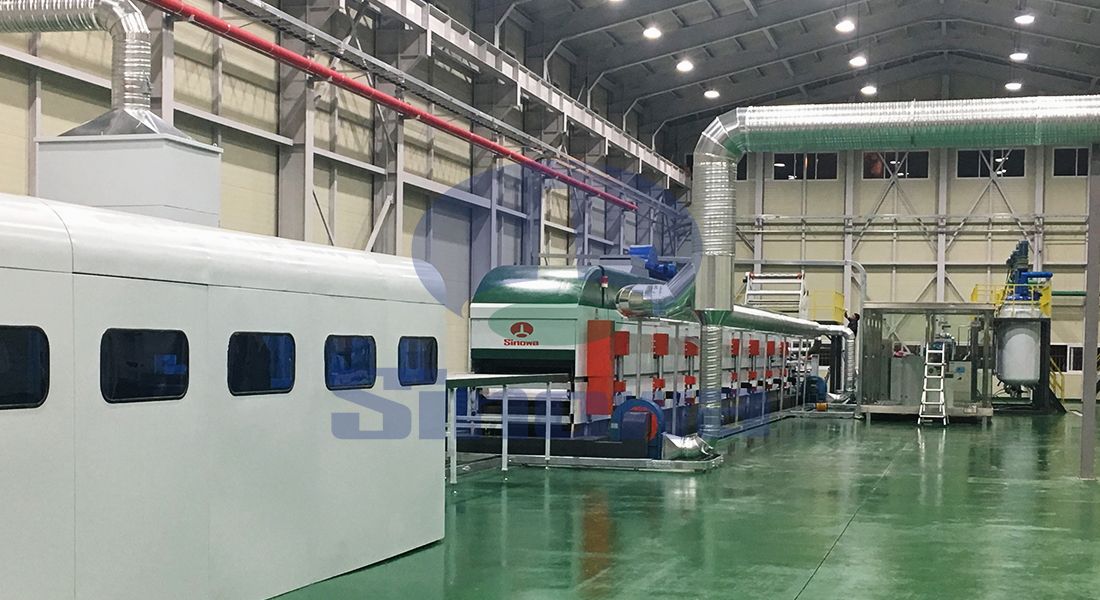
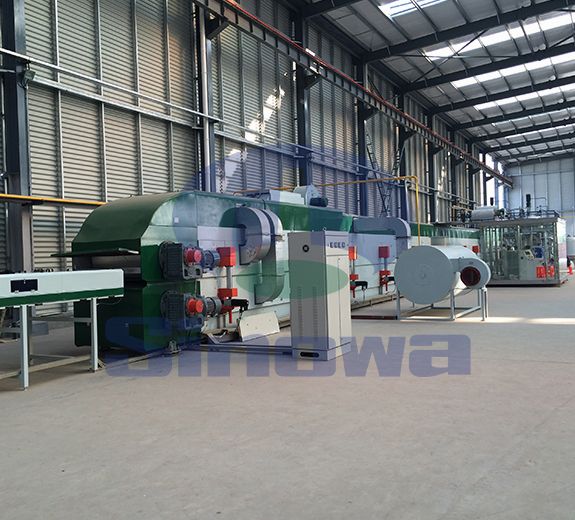
Sinowa is a well-known PU Composite Insulation Panel Machine Supplier From China, Continuous Insulation Panel Production Line of the PU and phenolic aldehyde surface has diversified and multifunctional production characteristics, which may produce products with different specifications such as PU, PF, PIR, etc.
The surface material may be aluminum foil, colored steel, cement base cloth, kraft paper, non-woven fabrics, etc.
The products are widely applied to such occasions as construction, decoration, pipeline ventilation, subway construction, etc.
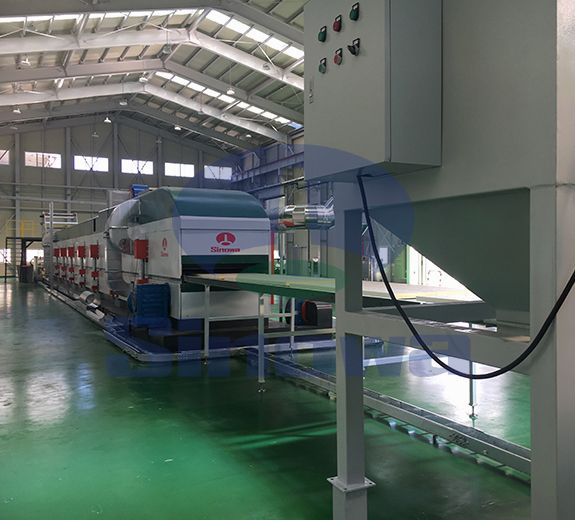
The pu panel machine of soft layer insulation board is able to continuously and efficiently produce high-quality PU and Phenolic insulation boards.
We spare no efforts to improve our product quality and technological reliability by employing the most cutting-edge and the most reliable support and processes to make our products highly reliable and endurable. As a result, the pu panel machine of our soft layer insulation panels is highlighted by many perfect qualities. It is the core idea in Sinowa's product roadmap to surpass our competitors in terms of design philosophy, manufacture methods and service level, going for excellence and leading position and making constant improvement on our products and services, which is also our core value system to create efficiency and convenience for our customers.
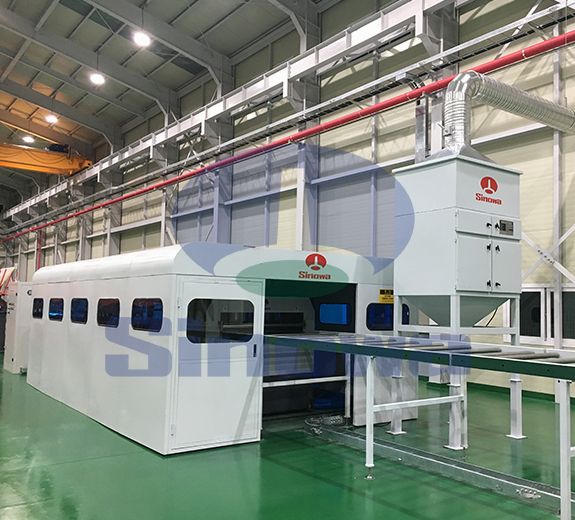
Well-grounded on our solid strength as a renowned large-scale enterprise, Sinowa has a high starting point in developing industrial assembly lines.
Based on the advanced science and technology introduced from within and without the country and supported by a great number of first-grade parts and components from the home and aboard, these assembly lines have a high-level configuration of supporting products in terms of machinery, electrical control, hydraulic pressure, automatic measurement and tracking, and so on.
This is a strong proof of our product’s reliable quality and high efficiency.
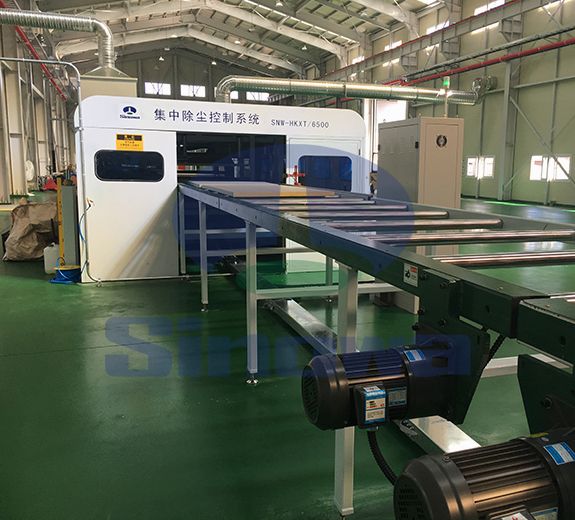
The first-class appearance design and excellent energy saving measures make it unnecessary for customers to additionally construct the heat preservation and isolation room for production around the clock throughout the year, so that the customers may save lots of resources and costs.
Modularized standard design and important parts machined with CNC machine tool make the production line have excellent quality assurance. Dependence on the man-made factors is eliminated. The operation is precision, with the highest operation speed of 30m/min. The pu panel machine has the world-class production efficiency.
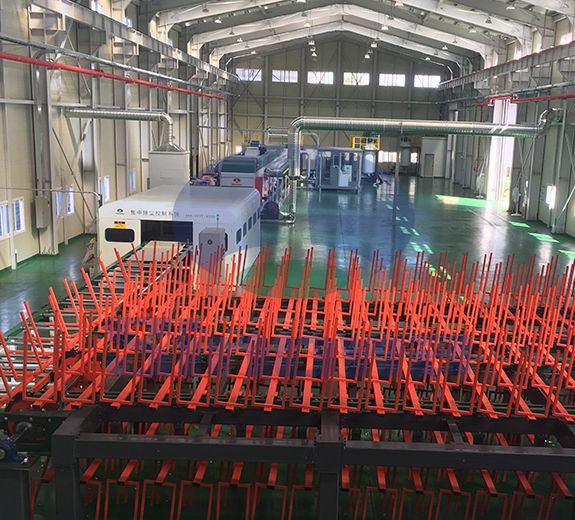
The high performance and reliable multicomponent cyclopentane foaming technology and equipment of Sinowa may be also applied to the foaming process of the phenolic aldehyde board. Therefore, our customers may not only freely adjust the foaming matching according to the raw material, but also save lots of costs. Moreover, they are of significance for environmental protection.
Sinowa's industrial pu panel machine of insulation panels is distinguished by its impressive performance of energy conservation. In each high point of energy consumption throughout the entire pu sandwich panel line are implemented corresponding measures to considerably lower the consumption level.
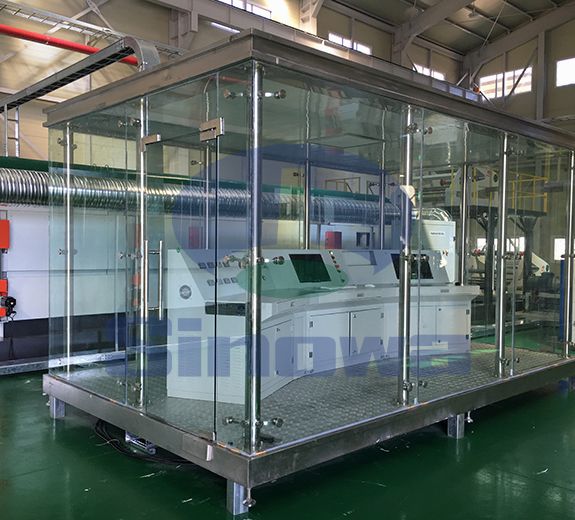
For example, the body of the lamination belt conveyer is covered with insulation panels in very reasonable structures, which doesn’t blemish the overall outlook but greatly increases the insulation performance.
The entire pu panel machine is constantly optimized and improved so that the consumption of each power source is significantly reduced. The motor power of our lamination conveying system is only 3.0 kw, about 50% less than those of the same kind.
All in all, the energy consumption of the whole sandwich panel line equals 40% or even less of the equivalent lines in the market.
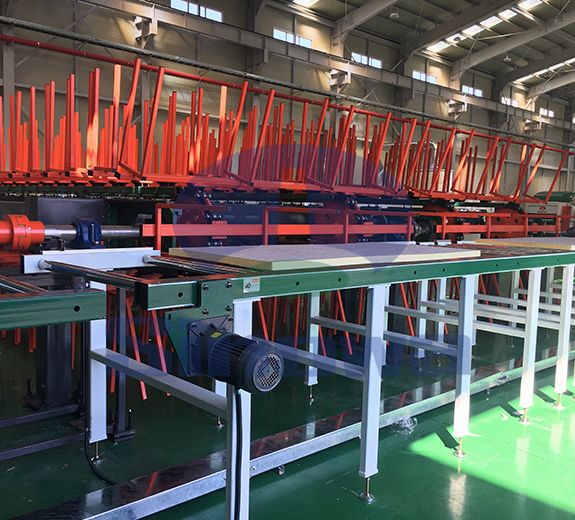
The pu panel machine of Sinowa adopts the most advanced concepts in the world to realize the modularized design with all the parts bolted together rather than welded.
In standardized production, the parts can be dismantled and exchanged, so the production cycle is drastically shortened and the maintenance becomes by far easier.
Through finite element analysis, the equipment design is greatly optimized to realize modularization, digitization, and weight-minimalization.
| PRODUCTION TYPE | PU | PIR | PHENOLIC | |||
|---|---|---|---|---|---|---|
| PRODUCTION USE | INSULATION PANEL | DOCORATIVE PANEL | ||||
| SURFACE OF SHEET | ALUMINUM FOIL | NON-WOVEN FABRIC | PAPER | NAKED | ||
| PRODUCT THICKNESS | 10m--- 200mm | |||||
| PRODUCTION SPEED | 3.0m---25m |
|---|---|
| FOAMING METHOD | TWO OR MULTI COMPONENTS FOAMING |
| FOAMING AGENT | PENTANE OR 141B |
| LENGTH OF LINE | 45m—100m CUSTOMER OPTIONAL |
Sinowa is a well-known manufacturer and technical service provider of high-end polyurethane insulation board production lines and various high-performance cold roll forming machine in China. Our main products include polyurethane double-sided color steel sandwich panel production line, polyurethane and phenolic soft facing insulation panel production line and high-efficiency roll forming machines.
Sinowa has invested outstanding efforts in pu composite insulation panel machine, This is why our products are more efficiency, quality, automatic control technology, environmental protection, energy consumption indicators and the appearance and safety protection are comprehensively leading, Some subversive design changes in many major technical points,these major innovations make our products excellent in price/performance and user experience.
Sinowa is committed to the development and manufacturing of high-end and high-efficiency pu composite insulation panel machine. Our sandwich panel production lines are leading the way in efficiency, automatic control, human-computer interaction, environmental protection and energy consumption. Using system integration and bus control technology, it realizes the automatic integrated linkage control of the entire production line, and can achieve remote interactive communication, which has the world-class level and a comprehensive leading high-performance production line in the market.
The production of PU composite insulation panels relies on specialized machinery that unites material feeding, foaming, forming, and cutting into one continuous workflow. This type of equipment is engineered to handle the unique chemical properties of polyurethane raw materials, ensuring the mixed components react evenly before being bonded with different surface facings. Inside the machine, precision metering units control the flow of polyol and isocyanate, two core liquid ingredients, to maintain a stable mixing ratio throughout long production runs. Even minor fluctuations in proportion can change the density and thermal performance of the finished panel, so consistent metering stands as one of the most critical functions built into the system. As the blended liquid flows onto the moving surface sheet, it expands gradually under controlled temperature conditions, filling the space between the top and bottom facings without creating voids or uneven thickening. Operators adjust line speed and heating parameters according to the desired panel thickness, allowing the foam to cure fully while the composite structure moves forward along the production line. This continuous forming approach eliminates many defects seen in batch production, helping each finished piece maintain uniform dimensions and stable internal structure across the entire surface area.
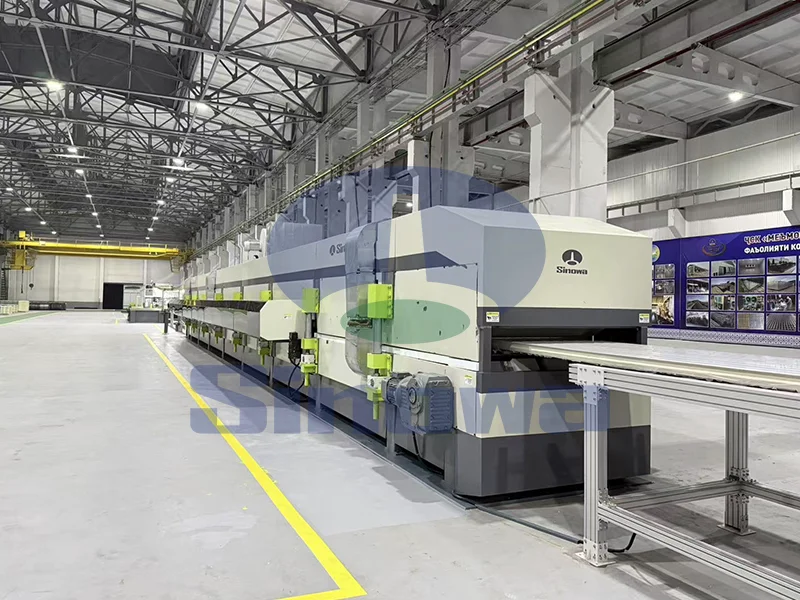
The structural framework of the PU composite insulation panel machine is built with heavy-duty welded frames to absorb vibration generated during high-speed operation. Every rotating roller, conveyor belt, and pressing plate must stay aligned tightly, because misalignment will lead to warped panels or weak bonding between foam core and facings. Adjustable pressing sections apply steady pressure from both the upper and lower sides as the polyurethane foam expands and hardens. This pressure prevents bubbling and separation at the interface, creating a reliable composite bond that remains intact under normal handling and later installation. Guide rollers on both edges keep the surface materials centered as they unwind from large rolls, reducing waste caused by edge offset. Sensors placed along the track detect material shortages or jams and send real-time signals to the main control interface, giving operators a chance to respond before faults develop into larger shutdowns. Lubrication points are arranged for easy access during routine maintenance, extending the service life of moving parts and cutting down on unexpected downtime that disrupts production schedules.
Material unwinding stations form the starting point of the whole production sequence, supporting large rolls of facer materials such as metal sheets, fiber boards, or flexible film substrates. Each unwinding unit comes with tension regulation devices that stop the sheet from stretching too loosely or pulling too tight. Uneven tension can cause wrinkles on the panel surface and distort the final flatness, which is unacceptable for applications requiring neat joint assembly. The facer material passes through a simple cleaning and preheating zone before reaching the foaming station. Gentle preheating raises the surface temperature slightly, improving the adhesion of liquid polyurethane when it makes contact. Some machine layouts include automatic splicing structures to connect the end of one material roll to the start of a new roll without fully stopping the line. This feature greatly improves overall productivity by minimizing gaps between rolls, though it requires careful setup to keep the splice seam smooth and free of raised marks that would transfer onto the finished panel.
The high-pressure mixing head serves as the heart of the foaming process inside the PU composite insulation panel machine. Raw liquid components travel through separate pipelines to this mixing chamber, where they collide at high velocity to achieve thorough blending in a very short time. The mixing process happens instantly right before discharge, which prevents premature foaming inside the pipelines and blockages that would interrupt material delivery. After mixing, the liquid mixture is spread evenly across the lower facer by a specially designed distribution nozzle. The nozzle can move horizontally across the width of the panel or stay fixed depending on the machine design, spreading the liquid in a controlled pattern to match the target width and thickness. Internal cleaning cycles flush residual material from the mixing head after each working cycle to avoid hardened foam buildup that could interfere with mixing quality. Operators can modify output volume through the central control system to match different panel specifications, shifting from thinner profiles for light-duty use to thicker insulation structures for higher thermal resistance needs.
Continuous double-belt curing sections offer a stable thermal environment for polyurethane foam to complete expansion and cross-linking reactions. Once the liquid mixture is sandwiched between two facers, the composite enters this enclosed channel where temperature is kept within a narrow working range. Heat transfer happens evenly from both sides, supporting consistent curing across the full depth of the foam core. If the temperature is too low, curing slows down and the foam may remain soft and prone to deformation after cutting. Excessively high temperature, on the other hand, creates rapid internal gas release that forms coarse cell structures and weakens insulation performance. The upper and lower belts move synchronously with the conveyor speed, maintaining constant clamping pressure while the chemical reaction proceeds. The length of the curing tunnel is matched to the production speed, ensuring panels exit the section only after the foam has developed enough structural strength to hold its shape without external support. This balanced curing stage directly determines the long-term stability of the finished composite panel.
After curing, the continuous slab moves toward the cutting unit, which separates the endless panel into individual pieces of preset length. The cutting mechanism uses fast-moving saw blades or flying cutters that travel at the same speed as the running panel during the cutting stroke. Synchronized motion eliminates dragging marks and jagged edges on the cut end, keeping panel ends clean and square for easy on-site connection. The control system stores multiple length recipes, so operators can switch between different product sizes without manual measurement adjustments each time. Trimming devices on both sides remove uneven edge portions that form during foaming, producing straight, uniform side edges. Waste trimmings are collected in a dedicated collection area for later handling. Cutting parameters can be fine-tuned based on the hardness of the foam core and the type of facer material. Harder surface sheets require adjusted cutting speed to prevent blade wear and chipping, while softer facers demand slower cutting movement to avoid tearing and surface damage.
The central control system integrates all functional modules of the PU composite insulation panel machine into a single human-machine interface. From this screen, users adjust metering ratios, line speed, curing temperature, cutting length, and tension settings for every station. Operational data such as running time, material consumption, and output quantity are recorded automatically for later review. Safety interlocks are programmed into the control logic, so the machine will pause automatically if protective doors open or abnormal pressure values appear in the material pipelines. Password permission levels separate basic operation functions from advanced parameter modification, limiting major setting changes to experienced technical staff. The interface uses clear visual indicators to show the real-time status of each subsystem, helping operators locate problems quickly. Historical fault logs store information about past alarms, supporting maintenance teams to identify recurring issues and carry out targeted inspections before failures happen again.
Supporting auxiliary systems play an indispensable role in keeping the PU composite insulation panel machine running reliably day after day. Raw material storage and circulation systems keep polyol and isocyanate at steady temperatures before they enter the metering pumps. Temperature-controlled storage prevents changes in liquid viscosity, which would affect measurement accuracy and mixing results. Circulation loops keep liquids moving within their pipelines when production pauses, preventing sedimentation and uneven component separation. Hydraulic and pneumatic power units supply force for pressing rollers, cutter movement, and mixing head switching. Filters installed on feed lines trap tiny solid particles that could scratch precision pump surfaces or block narrow mixing channels. Exhaust systems near the foaming and curing zones handle gaseous byproducts generated during polyurethane reaction, maintaining better working conditions around the line. Regular checks of these auxiliary parts are just as important as maintenance on the main forming sections, because a failure in any supporting system can halt the whole production process.
Operational skill and process understanding shape the final quality of panels produced by this equipment, even with advanced automatic controls. New operators need time to learn how different parameter combinations interact with one another. A change in ambient workshop temperature, for example, may require small adjustments to raw material temperature or line speed to preserve the same foam cell structure. When switching between different facer materials, operators must test bonding strength on sample pieces before starting full batch production. They also watch for subtle signs of poor foaming, such as surface pinholes, inconsistent hardness, or delamination along panel edges. Good operational habits include conducting pre-start checks on material levels, filter status, and sensor calibration every shift. Keeping the machine surface clean from spilled polyurethane prevents hardened foam deposits from interfering with moving parts. Experienced operators can anticipate small deviations and correct settings early, greatly reducing the rate of defective products and improving overall production efficiency over long operating cycles.
Looking ahead, the development direction for PU composite insulation panel machinery centers on higher adaptability and more efficient resource use. Updated designs focus on smoother transition between different panel types, reducing the material waste generated during product changeovers. Improved metering technology targets finer flow control, helping to reduce raw material consumption while maintaining consistent panel properties. Enhanced thermal management in curing sections cuts unnecessary energy input, lowering the operating cost of continuous production. Machine designs also pay more attention to modular construction, making it easier to replace or upgrade individual stations without rebuilding the entire production line. As the demand for composite insulation panels grows across many building and industrial application scenarios, this category of equipment continues to evolve to meet diverse requirements. Stable, flexible, and easy-to-maintain PU composite insulation panel machines remain a foundational production solution for modern thermal insulation material manufacturing, supporting steady supply of high-performance panels for a wide range of end uses.
pu panel machine, pu panel machine manufacturer, pu panel machine for sale, pu panel machine supplier, China pu panel machine, Custom pu panel machine
«PU Composite Insulation Panel Machine» Update Date:2026/10/28
URL: https://www.sinowa.cn/en/blog/pu-composite-insulation-panel-machine.html
Tags: PU sandwich panel line , PU sandwich panel machine , PU sandwich panel production line , sandwich panel line , sandwich panel machine , sandwich panel production line
