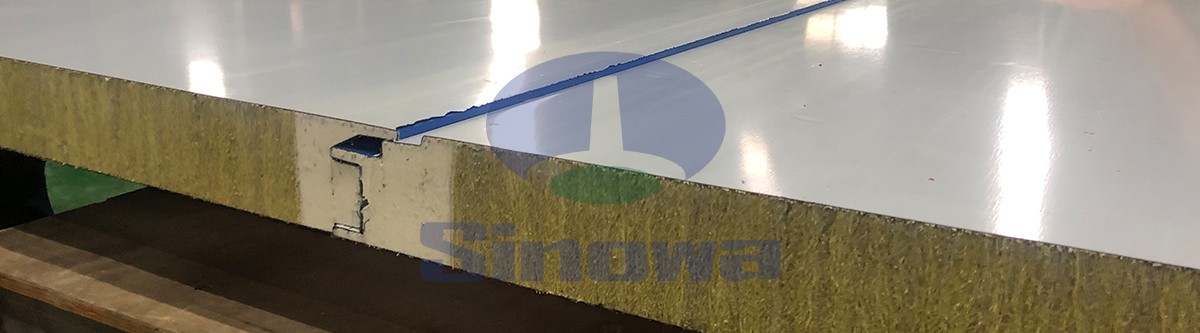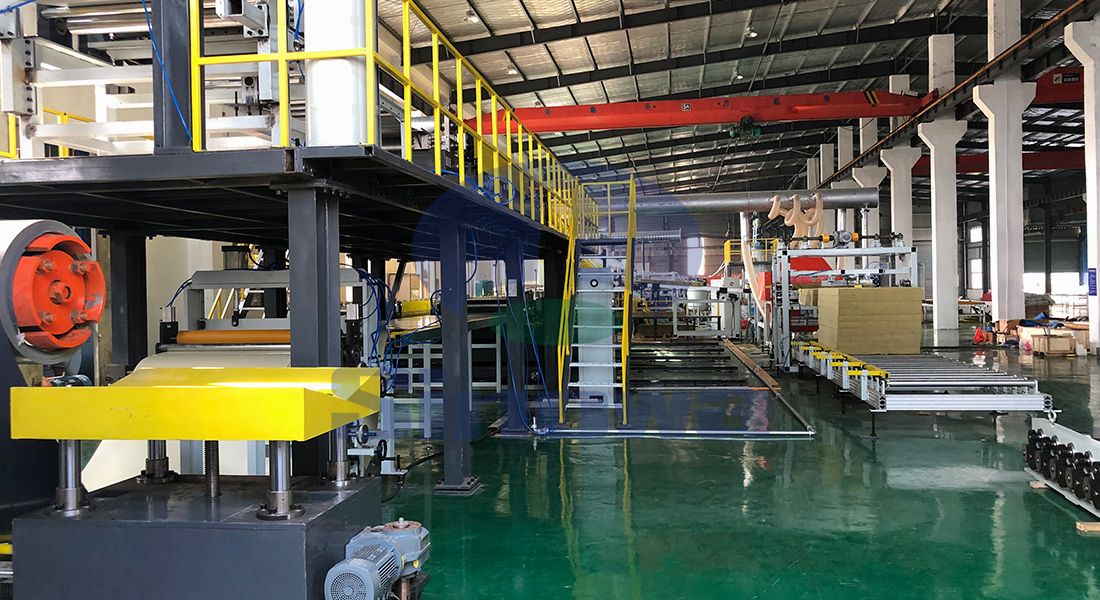
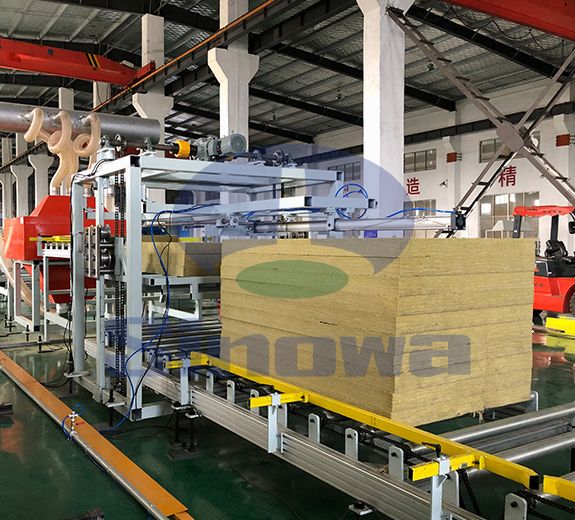
Sinowa is a well-known PU Edging Rock Wool Panel Machine Supplier From China, Dedicated to the research and development of high-end & high-efficiency pu edging rock wool panel machine, Sinowa is comprehensively taking the leading position in terms of efficiency, automation control level, HMI, environment protection and energy consumption, with subversive designs made in some critical technological fields to procure exceptional cost performance and customer-friendly experience for the entire pu edging rock wool panel machine.
The adoption of system integration technology and bus control technology accomplishes the full automatization of integrated and coordinated control of the entire sandwich panel line with accessible remote interactive communication.
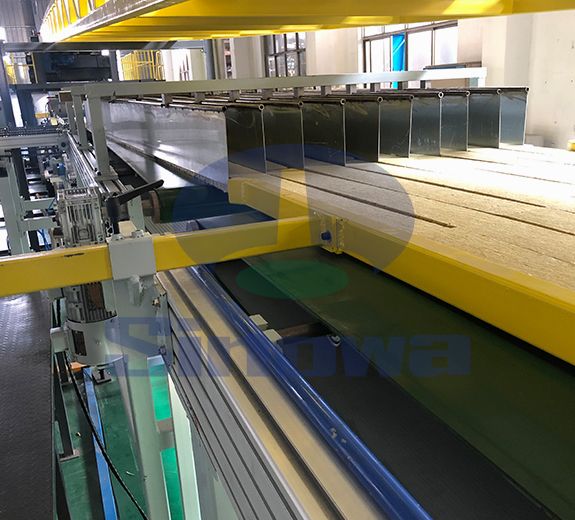
Based on the continuous technological pursuit, the pu edging rock wool panel machine developed by Sinowa provides you with high-efficiency industrial value. Based on China's cost advantage and our hard-working technology concept, our mineral wool sandwich panel line has a world-leading price-performance advantage. Continuous Rockwool Sandwich Panel Production Line can meet a variety of production needs of customers.The whole line design concept of modularization enables all our components to be integrated and combined at will.
Our pu edging rock wool panel machine can easily automate the production of roof sandwich panel, wall sandwich panel, cold storage sandwich panel and other products by different combination and configuration selection and siple switching. The inner core layer can be polyrethane or rock wool, glass wool, an so on.
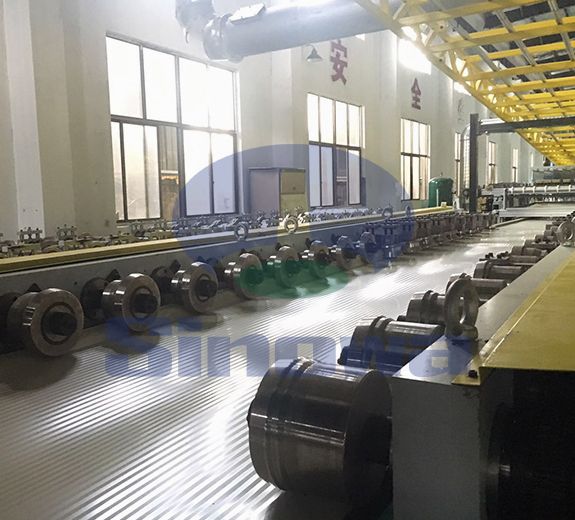
The pu edging rock wool panel machine has high adaptability, which may produce various sandwich panel of the PU, PIR and rock wool systems.
We may design various products according to the customer’s requirements, including various configurations, so as to meet their demands with flexible price system.
Highly integrated and linked control system centralizes all control points at the main central center, achieving parameter linkage, fault self-diagnosis controlled by the whole line and shipping distance control.
High-level automatic control system also saves the manpower and reduces the manpower loss for customers.
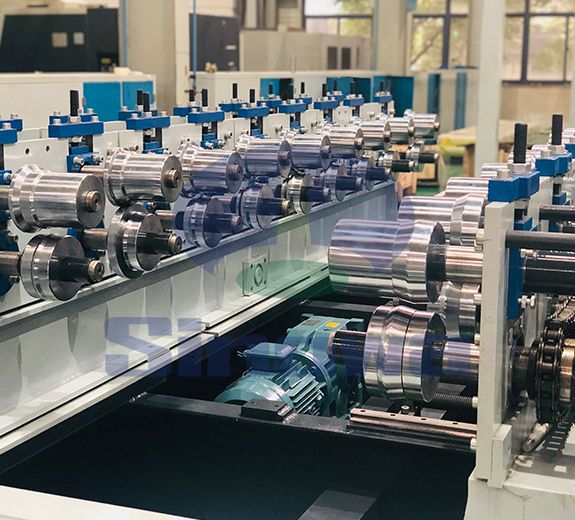
Concentrated system control is fully realized in the practice of concentrated process control so that the control system of all the movements of the parts in the line is integrated in one process control console with accessible remote communication to elevate the automation and reduce the allocated number of personnel for the assembly line.
The main engine with modularized design achieves the precision operation of the pu edging rock wool panel machine, stable and reliable quality, less part and maintenance loss.
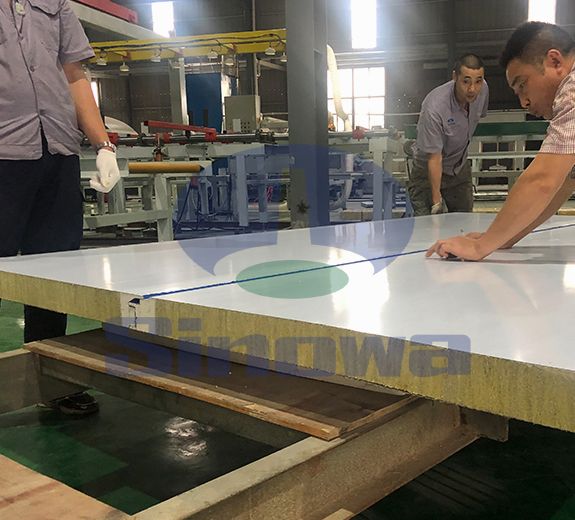
The whole pu sandwich panel line is strictly modularized in design to ensure the greatest probability for the parts to be interchangeable, making it the most cost- and energy-saving. No joining made manually, all the key processes of the parts are completed in the machining center. As soon as the parts are inspected and warehoused, they enter into the assembly process. The modularized assembly can not only greatly increase the production efficiency but, most importantly, realize quick delivery as well. It elevates the reliability of product quality to a totally new level and minimizes the influence from human factors.
The whole pu edging rock wool panel machine has over 40 innovative inventions, making our products have lots of unique features and the comprehensive performance of our production line leading in the industry.
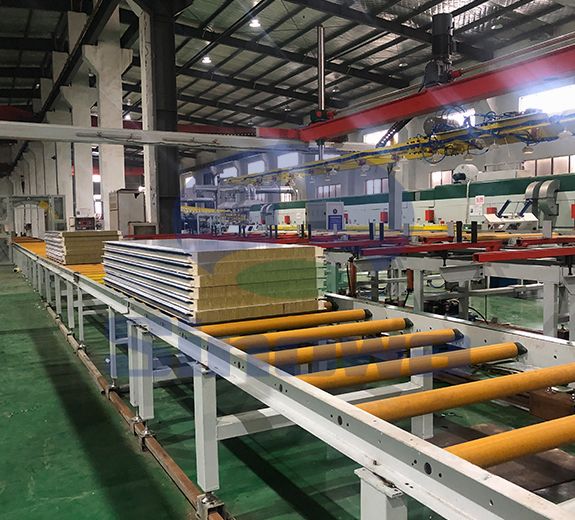
The precision servo hoisting mechanism employed by the main engine without hydraulic system makes the board thickness control flexible and the customer may conveniently change or adjust the board thickness. There will be not such troubles as hydraulic system adjustment, leakage, maintenance, etc.
High-level energy saving and protection design makes the whole pu edging rock wool panel machine possible to produce around the clock throughout the year and the customer will save huge budget. In addition, the isolated heat preservation room is constructed for warming the environment. The energy saving and protection design of our pu edging rock wool panel machine may guarantee that the customer’s rock wool sandwich panel line may be freely heated and produce in the main time to save more costs for customers.
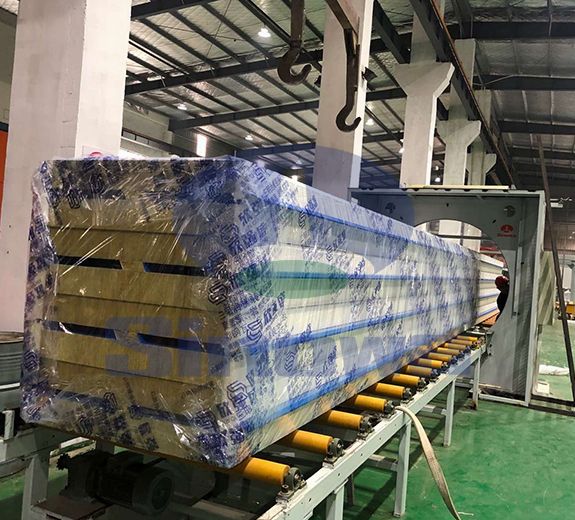
The high-power low-consumption design quickens the reaction of the pu edging rock wool panel machine while energy consumption is kept low.
With the brand-new, fully sealed inner insulation design, the energy consumption is controlled at the minimum level to achieve the design objective of less than an hour for the insulation system to be activated from the room temperature above 5℃ to the production process temperature.
The energy consumption is only 40% that of those similar products.
| PRODUCTION TYPE | PU | PIR | PHENOLIC | |||
|---|---|---|---|---|---|---|
| PRODUCTION USE | INSULATION PANEL | DOCORATIVE PANEL | ||||
| SURFACE OF SHEET | ALUMINUM FOIL | NON-WOVEN FABRIC | PAPER | NAKED | ||
| PRODUCT THICKNESS | 10m--- 200mm | |||||
| PRODUCTION SPEED | 3.0m---25m |
|---|---|
| FOAMING METHOD | TWO OR MULTI COMPONENTS FOAMING |
| FOAMING AGENT | PENTANE OR 141B |
| LENGTH OF LINE | 45m—100m CUSTOMER OPTIONAL |
Sinowa is a well-known manufacturer and technical service provider of high-end polyurethane insulation board production lines and various high-performance cold roll forming machine in China. Our main products include polyurethane double-sided color steel sandwich panel production line, polyurethane and phenolic soft facing insulation panel production line and high-efficiency roll forming machines.
Sinowa has invested outstanding efforts in pu edging rock wool panel machine, This is why our products are more efficiency, quality, automatic control technology, environmental protection, energy consumption indicators and the appearance and safety protection are comprehensively leading, Some subversive design changes in many major technical points,these major innovations make our products excellent in price/performance and user experience.
Sinowa is committed to the development and manufacturing of high-end and high-efficiency pu edging rock wool panel machine. Our sandwich panel production lines are leading the way in efficiency, automatic control, human-computer interaction, environmental protection and energy consumption. Using system integration and bus control technology, it realizes the automatic integrated linkage control of the entire production line, and can achieve remote interactive communication, which has the world-class level and a comprehensive leading high-performance production line in the market.
The production of composite insulation panels relies heavily on specialized forming equipment that balances structural stability and thermal performance, and the PU edging rock wool panel machine stands as a core piece of equipment for this specific manufacturing direction. This machine is engineered to integrate two different core materials, combining the fire-resistant properties of rock wool substrates with the sealing and bonding advantages of polyurethane edging material in one continuous workflow. Unlike simple assembly devices that handle separate materials in disconnected stages, this system is built to synchronize material feeding, surface treatment, foaming, pressing, shaping and curing within a single production line. Operators can adjust running parameters according to the target panel dimensions and application requirements, so the finished edging structure fits tightly around the rock wool core without obvious gaps or weak bonding points. The design also takes material characteristics fully into account, avoiding excessive pressure that may crush the fibrous rock wool structure while ensuring the PU foam can fill edge spaces evenly. Stable coordination between each functional unit reduces the chance of defective products caused by uneven foaming or misalignment during production, creating consistent edge sealing effects for every panel that exits the line. This kind of processing method effectively solves the common problem of exposed rock wool fiber edges in traditional cutting panels, which often bring inconvenience in later transportation, installation and on-site construction.

Material feeding control is one of the most critical modules inside the PU edging rock wool panel machine, as steady and accurate material supply lays the foundation for uniform finished panel quality. The rock wool substrate is conveyed along the production track at a controllable constant speed, and sensors distributed along the feeding path detect the position and flatness of each incoming rock wool board in real time. When the substrate deviates from the preset conveying route, the guiding structure makes fine corrections automatically to keep the edge area aligned with the PU spraying station. Meanwhile, the polyurethane raw material supply system maintains stable mixing ratios and output flow, preventing sudden changes in foam density that would lead to soft, brittle or uneven edging sections. The raw materials are mixed right before contacting the rock wool edges, which shortens the waiting time between mixing and foaming and makes sure the chemical reaction starts at the correct position on the panel edge. Operators can modify feeding speed and PU output volume through the central control interface to match different panel thicknesses and edge width requirements. Well-matched feeding speeds prevent situations where rock wool moves too fast for insufficient foam filling or moves too slowly to cause excessive foam overflow. Good feeding coordination also lowers raw material waste, as extra overflowing PU material is minimized and rock wool substrates are less likely to be scratched or damaged during movement on the line.
Surface pre-treatment before PU application is an indispensable step handled by the PU edging rock wool panel machine, because the natural fibrous surface of rock wool does not always form reliable adhesion with polyurethane without proper preparation. This section of the line cleans loose fibers and dust from the edge area of rock wool boards first, removing fine particles that would form a barrier between the foam and the substrate. Some configurations also include gentle surface roughening treatment to create tiny irregular structures on the rock wool edge, expanding the contact area for the flowing PU mixture and strengthening the bonding force after curing. The pre-treatment process is carefully calibrated to avoid damaging the internal fiber structure of rock wool, which would otherwise reduce the inherent insulation performance of the core material. After cleaning and conditioning, the panel edges move directly to the spraying station without prolonged exposure to floating dust or moisture in the workshop air. If this pre-treatment step is skipped or operated improperly, the PU edging layer may peel off from the rock wool core after a period of use, breaking the continuous sealing effect and reducing the overall service life of the finished panel. The whole pre-treatment unit runs synchronously with the rest of the line, so it does not create bottlenecks that slow down the overall production rhythm. Every rock wool piece receives the same level of edge preparation, maintaining consistent bonding conditions across the whole batch of products.
The PU spraying and foaming station is where the core edging forming process of the PU edging rock wool panel machine takes place, turning liquid polyurethane mixture into a solid sealing frame around rock wool edges. When the prepared rock wool substrate reaches this station, the mixing head releases the liquid PU material precisely onto the preset edge zones, following the contour of the rock wool board. The liquid material expands rapidly through controlled chemical foaming, filling all gaps along the edge and wrapping the side of the rock wool core evenly. The foaming speed is matched with the conveying speed of the panel, so the foam expands and begins to set before the panel leaves the spraying area. The spraying mechanism can adapt to straight edge profiles for standard panels, and it can also be adjusted to handle slight shape variations as required for customized products. Operators can adjust spray range and material output to produce narrow or wide PU edging according to design needs. The enclosure structure around the spraying station contains foam mist and splashes, keeping the production environment cleaner and preventing stray PU material from sticking to the main surface of rock wool panels. Proper control at this stage avoids large air bubbles trapped inside the cured PU edge, which would become weak points prone to cracking under external force or temperature fluctuation. Uniform foaming ensures the edging layer maintains stable physical performance across its entire length.
After foaming, the pressing and shaping section of the PU edging rock wool panel machine locks the outline of the edging structure and promotes tight integration between PU foam and rock wool. Adjustable pressing plates move in coordination with the traveling panels, applying even, moderate pressure on the fresh PU foam before it fully hardens. This pressure helps the foam fit the designed edge dimension and squeezes out excess air pockets that remain after spraying, while preventing the foam from bulging outward beyond the target size. The pressing force is limited to a safe range, so the porous rock wool core will not be compressed excessively and lose its original thermal insulation capacity. The shaping molds can be swapped or adjusted to change the cross-section shape of the PU edge, supporting different connection styles for panel assembly such as tongue-and-groove flat joints. Temperature control within the pressing zone supports the curing reaction of polyurethane, helping the foam solidify at a predictable rate. If pressing pressure is too high or applied too early, the liquid PU will be squeezed away and create thin, incomplete edging; if pressure is delayed too long, the foam will have partially hardened and cannot be reshaped smoothly. Synchronized movement of the pressing unit keeps the panel from shifting during shaping, preserving the alignment between rock wool core and PU edging. This step gives the finished panel neat, uniform edge geometry that simplifies later panel joining work.
Curing and temperature maintenance modules in the PU edging rock wool panel machine create a stable environment for polyurethane to complete cross-linking reactions and gain final mechanical strength. After leaving the pressing station, panels pass through a controlled curing channel where ambient temperature and air circulation are regulated steadily. Consistent temperature distribution along the channel prevents partial over-curing or under-curing of the PU edging. Under-cured foam remains soft and sticky, easy to deform when touched, while over-cured material tends to become brittle and crack under minor impact. The length of the curing channel can accommodate different production speeds, giving the edging material enough time to finish chemical transformation before the panel exits the main line. Air circulation inside the channel removes heat released by the foaming reaction to avoid local overheating that may damage the bond interface between PU and rock wool. Once the curing process finishes, the PU edging forms a rigid, continuous protective border around the rock wool core, locking rock wool fibers in place and stopping loose fibers from falling off during handling. The curing phase does not alter the core performance of rock wool, and the thermal insulation function of the substrate remains intact after the polyurethane edge fully sets. Reliable curing directly improves the dimensional stability of finished panels when they face changing ambient temperatures.
The trimming and finishing section of the PU edging rock wool panel machine refines the outer contour of cured panels and removes minor irregularities generated during forming. Even with precise spraying and pressing, small flashes or excess PU residues may appear along the edge lines, and rotating trimming tools cut away these extra parts to achieve smooth, clean edge surfaces. The trimming mechanism follows the preset edge path and keeps cutting depth consistent, so it only removes surplus PU material without cutting into the rock wool core inside. Sensors track the panel position continuously during trimming to avoid skewed cuts that would ruin the straightness of the finished edge. After trimming, light brushing removes fine PU dust from the panel surface, preparing the product for inspection and stacking. Well-finished edges make panels easier to fit together tightly on construction sites, reducing gaps between adjacent panels after installation. This finishing process also checks for obvious forming defects visually as panels move past the observation window, allowing staff to separate non-conforming products early before they enter packaging. The trimming speed matches the main line pace and will not slow down overall output efficiency. Uniform finished edge quality lowers the extra processing work that construction teams need to carry out on site.
Automated monitoring and control systems form the operational brain of the PU edging rock wool panel machine, coordinating all individual functional sections as one linked production system. A central control terminal displays real-time data including conveying speed, PU material flow, mixing ratio, curing zone temperature and equipment running status. Built-in monitoring components detect abnormal conditions such as interrupted material supply, sudden pressure fluctuation or temperature drift, and the system sends prompt alerts to operators when parameters move outside the normal working range. In some operating modes, the system can make small automatic adjustments to bring parameters back to stable levels without pausing the whole line immediately. Historical running data can be stored for later review, helping operators identify recurring issues and optimize parameter settings for different production batches. The control interface is designed with clear operation logic, so technicians can switch between different production recipes conveniently when changing panel specifications. Interlock protection functions stop upstream feeding actions automatically if downstream stations jam or malfunction, preventing material accumulation and equipment collision. This centralized control method reduces the dependence on manual judgment at every single station and improves the repeatability of panel quality from batch to batch. Good system coordination also helps extend the service life of mechanical parts by avoiding long-time operation under abnormal load conditions.
Daily maintenance and routine upkeep are essential to keep the PU edging rock wool panel machine operating reliably over long periods, as polyurethane material has a tendency to solidify and block nozzles and pipelines if left uncleaned. The mixing and spraying heads need regular flushing with dedicated cleaning agents after production cycles to remove residual PU raw material that would harden and block flow channels. Conveyor rollers, guide rails and pressing plates should be cleaned of accumulated rock wool dust and PU debris, and lubrication points on moving parts require periodic lubrication to reduce friction and wear. Operators also check sensors, pneumatic pipelines and heating components regularly to confirm signal transmission and temperature output stay stable. Worn cutting blades in the trimming unit need replacement on schedule to maintain clean cutting results. Simple inspection tasks can be completed during planned downtime, while more complex component maintenance can be arranged according to equipment usage frequency. Following a steady maintenance schedule reduces unexpected shutdowns that disrupt production plans. Neglecting maintenance gradually leads to unstable spraying, uneven pressing or inaccurate sensing, which will raise the rate of defective panels. Proper care preserves the accuracy of each working station and keeps the machine maintaining consistent output quality year after year.
The application value brought by the PU edging rock wool panel machine extends beyond the production workshop, affecting the performance and usability of insulation panels in practical use scenarios. Panels produced on this equipment have sealed fiber edges, so they do not release loose rock wool fibers during transportation, storage and installation, creating a more friendly working environment for construction workers. The continuous PU edge layer also blocks moisture from penetrating into the porous rock wool core through side openings, slowing down moisture absorption that would weaken thermal insulation performance over time. The formed PU edge provides a tough protective border that resists minor knocks and scratches during handling, lowering product damage rate in transit. Thanks to standardized edge shapes achieved by the machine, panels can be assembled closely to form continuous insulation layers with fewer gaps at joints. This type of finished panel is suitable for many building envelope systems where both thermal management and edge integrity are required. As market demand grows for composite insulation panels with reliable edge sealing, this machine offers a practical continuous production solution that balances stable output, controllable quality and flexible specification adjustment. Its design concept of combining two different functional materials through integrated forming continues to support the upgrading of insulation panel manufacturing technology and meet diverse demands from downstream construction and enclosure projects.
pu edging rock wool panel machine, pu edging rock wool panel machine manufacturer, pu edging rock wool panel machine for sale, pu edging rock wool panel machine supplier, China pu edging rock wool panel machine, Custom pu edging rock wool panel machine
«PU Edging Rock Wool Panel Machine» Update Date:2026/10/28
URL: https://www.sinowa.cn/en/blog/pu-edging-rock-wool-panel-machine.html
Tags: PU sandwich panel line , PU sandwich panel machine , PU sandwich panel production line , sandwich panel line , sandwich panel machine , sandwich panel production line