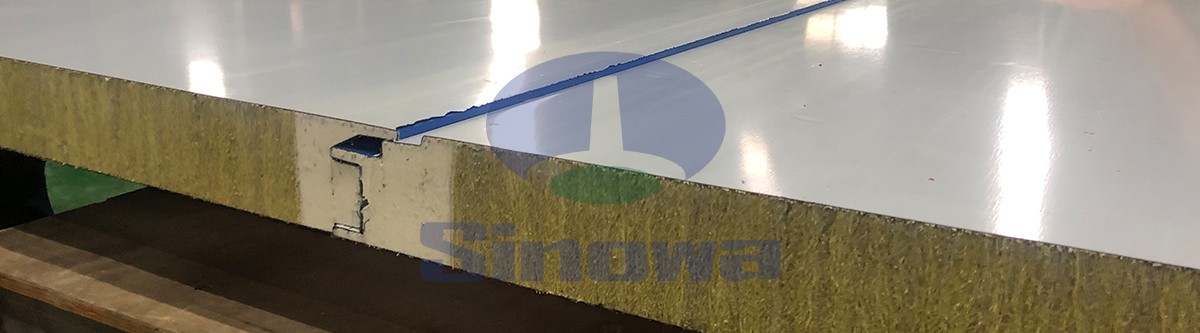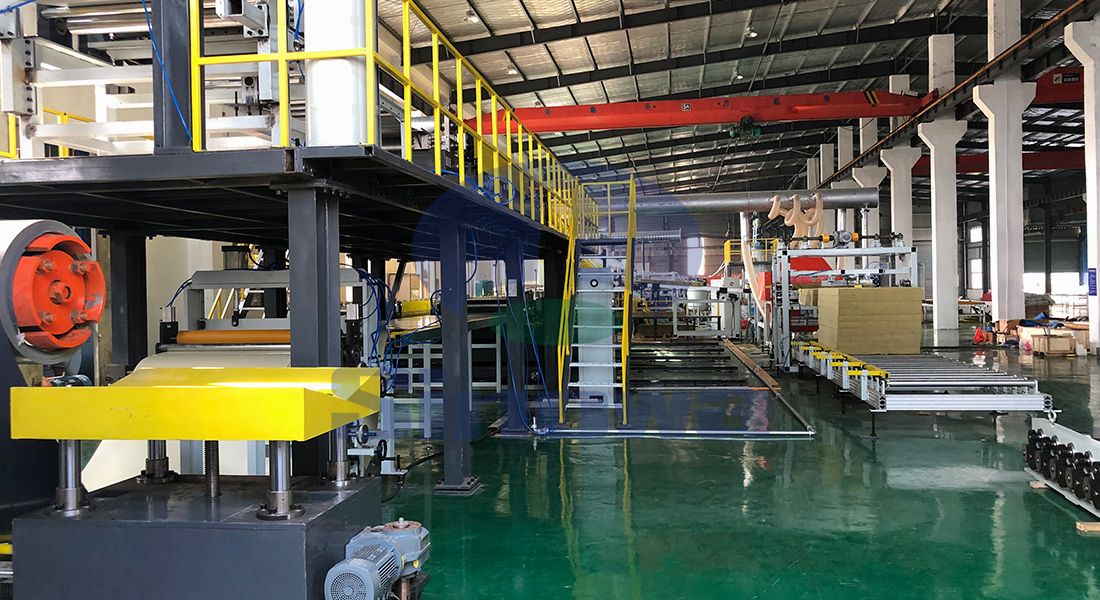
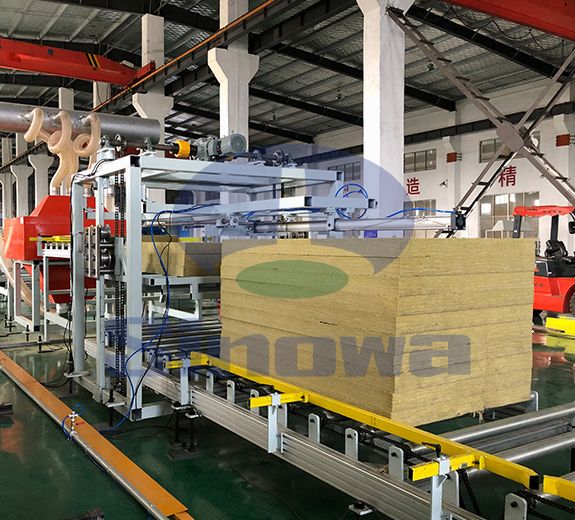
Sinowa is a well-known PU Rock Wool Sandwich Panel Machine Supplier From China, Dedicated to the research and development of high-end & high-efficiency rock wool sandwich panel machine, Sinowa is comprehensively taking the leading position in terms of efficiency, automation control level, HMI, environment protection and energy consumption, with subversive designs made in some critical technological fields to procure exceptional cost performance and customer-friendly experience for the entire rock wool sandwich panel machine.
The adoption of system integration technology and bus control technology accomplishes the full automatization of integrated and coordinated control of the entire sandwich panel line with accessible remote interactive communication.
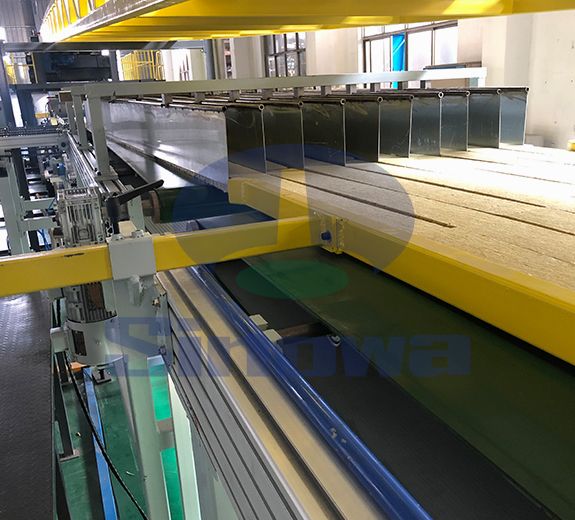
Based on the continuous technological pursuit, the rock wool sandwich panel machine developed by Sinowa provides you with high-efficiency industrial value. Based on China's cost advantage and our hard-working technology concept, our mineral wool sandwich panel line has a world-leading price-performance advantage. Continuous Rockwool Sandwich Panel Production Line can meet a variety of production needs of customers.The whole line design concept of modularization enables all our components to be integrated and combined at will.
Our rock wool sandwich panel machine can easily automate the production of roof sandwich panel, wall sandwich panel, cold storage sandwich panel and other products by different combination and configuration selection and siple switching. The inner core layer can be polyrethane or rock wool, glass wool, an so on.
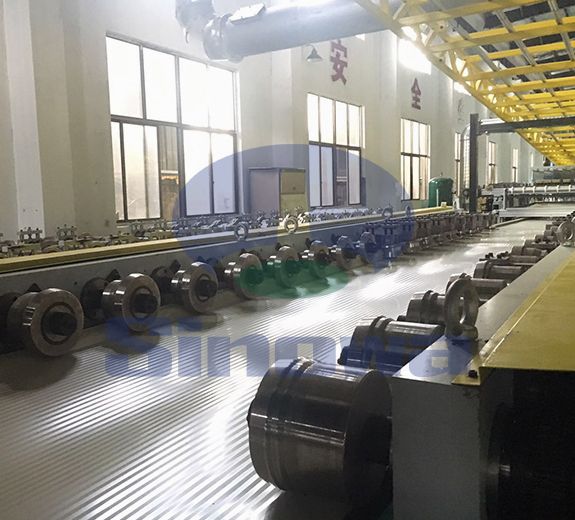
The rock wool sandwich panel machine has high adaptability, which may produce various sandwich panel of the PU, PIR and rock wool systems.
We may design various products according to the customer’s requirements, including various configurations, so as to meet their demands with flexible price system.
Highly integrated and linked control system centralizes all control points at the main central center, achieving parameter linkage, fault self-diagnosis controlled by the whole line and shipping distance control.
High-level automatic control system also saves the manpower and reduces the manpower loss for customers.
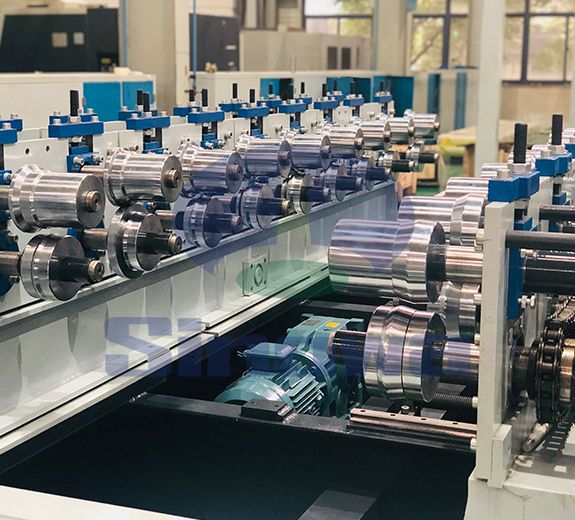
Concentrated system control is fully realized in the practice of concentrated process control so that the control system of all the movements of the parts in the line is integrated in one process control console with accessible remote communication to elevate the automation and reduce the allocated number of personnel for the assembly line.
The main engine with modularized design achieves the precision operation of the rock wool sandwich panel machine, stable and reliable quality, less part and maintenance loss.
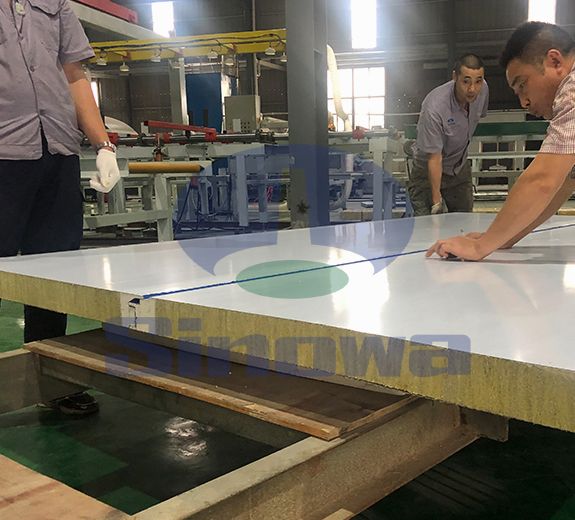
The whole pu sandwich panel line is strictly modularized in design to ensure the greatest probability for the parts to be interchangeable, making it the most cost- and energy-saving. No joining made manually, all the key processes of the parts are completed in the machining center. As soon as the parts are inspected and warehoused, they enter into the assembly process. The modularized assembly can not only greatly increase the production efficiency but, most importantly, realize quick delivery as well. It elevates the reliability of product quality to a totally new level and minimizes the influence from human factors.
The whole rock wool sandwich panel machine has over 40 innovative inventions, making our products have lots of unique features and the comprehensive performance of our production line leading in the industry.
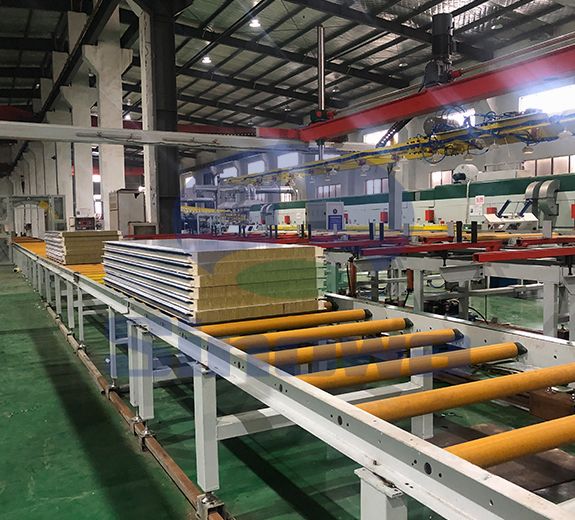
The precision servo hoisting mechanism employed by the main engine without hydraulic system makes the board thickness control flexible and the customer may conveniently change or adjust the board thickness. There will be not such troubles as hydraulic system adjustment, leakage, maintenance, etc.
High-level energy saving and protection design makes the whole rock wool sandwich panel machine possible to produce around the clock throughout the year and the customer will save huge budget. In addition, the isolated heat preservation room is constructed for warming the environment. The energy saving and protection design of our rock wool sandwich panel machine may guarantee that the customer’s rock wool sandwich panel line may be freely heated and produce in the main time to save more costs for customers.
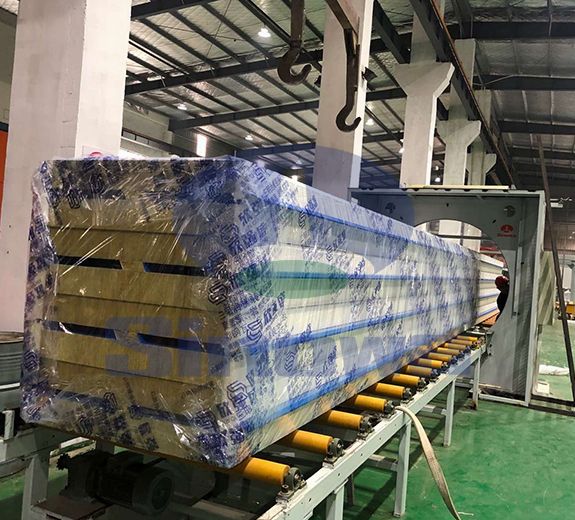
The high-power low-consumption design quickens the reaction of the rock wool sandwich panel machine while energy consumption is kept low.
With the brand-new, fully sealed inner insulation design, the energy consumption is controlled at the minimum level to achieve the design objective of less than an hour for the insulation system to be activated from the room temperature above 5℃ to the production process temperature.
The energy consumption is only 40% that of those similar products.
| PRODUCTION TYPE | PU | PIR | PHENOLIC | |||
|---|---|---|---|---|---|---|
| PRODUCTION USE | INSULATION PANEL | DOCORATIVE PANEL | ||||
| SURFACE OF SHEET | ALUMINUM FOIL | NON-WOVEN FABRIC | PAPER | NAKED | ||
| PRODUCT THICKNESS | 10m--- 200mm | |||||
| PRODUCTION SPEED | 3.0m---25m |
|---|---|
| FOAMING METHOD | TWO OR MULTI COMPONENTS FOAMING |
| FOAMING AGENT | PENTANE OR 141B |
| LENGTH OF LINE | 45m—100m CUSTOMER OPTIONAL |
Sinowa is a well-known manufacturer and technical service provider of high-end polyurethane insulation board production lines and various high-performance cold roll forming machine in China. Our main products include polyurethane double-sided color steel sandwich panel production line, polyurethane and phenolic soft facing insulation panel production line and high-efficiency roll forming machines.
Sinowa has invested outstanding efforts in pu rock wool sandwich panel machine, This is why our products are more efficiency, quality, automatic control technology, environmental protection, energy consumption indicators and the appearance and safety protection are comprehensively leading, Some subversive design changes in many major technical points,these major innovations make our products excellent in price/performance and user experience.
Sinowa is committed to the development and manufacturing of high-end and high-efficiency pu rock wool sandwich panel machine. Our sandwich panel production lines are leading the way in efficiency, automatic control, human-computer interaction, environmental protection and energy consumption. Using system integration and bus control technology, it realizes the automatic integrated linkage control of the entire production line, and can achieve remote interactive communication, which has the world-class level and a comprehensive leading high-performance production line in the market.
The PU rock wool sandwich panel machine stands as a sophisticated piece of industrial equipment built to combine the insulating strengths of polyurethane and rock wool within a single continuous panel structure. Its core working logic centers on feeding different raw materials into designated stations, where each material undergoes controlled processing before being bonded together under stable pressure and temperature conditions. Raw rock wool layers are arranged evenly to avoid gaps or uneven distribution, while liquid PU components are metered and mixed precisely to form a cohesive bonding layer between the rock wool and outer metal facings. Every movement of the machine is coordinated through interconnected mechanical units, from material unwinding and guiding to spraying, pressing, and curing. Operators adjust running parameters according to the target panel thickness and surface requirements, ensuring that the composite core maintains consistent density across the full length of finished products. This type of production line is designed to run for extended periods with steady output, reducing interruptions that would create defective sections in the sandwich panels. Careful alignment of each processing station prevents misalignment of the metal skins and inner core, a common issue that can weaken the overall structure of the final panel. The integration of PU adhesive improves the sealing performance of rock wool, which by itself can be prone to water absorption if left unprotected, broadening the applicable scenarios for panels made on this equipment.

Consistency in material feeding is one of the most critical functions managed by the PU rock wool sandwich panel machine during every production cycle. Separate feeding systems handle the metal coil sheets and the bulk rock wool materials, with tension control devices keeping the metal surfaces flat and free from wrinkles as they move forward. Rock wool mats are delivered through conveyor sections that regulate feed speed and spread the fibrous material uniformly, avoiding clumps that would create soft spots inside the finished panel. The PU mixing and spraying unit operates at a calibrated flow rate, distributing the mixed chemical material in a thin, even layer rather than allowing localized buildup. When the materials enter the double-belt pressing zone, uniform clamping force holds all layers together while chemical curing takes place. The pressing section maintains a stable environment so that the PU reaction proceeds at a predictable rate, forming a firm bond without excessive foaming that could distort the panel shape. Minor fluctuations in feed speed are automatically compensated by the machine’s control system, so the finished panels keep uniform dimensions along their entire length. Operators monitor material flow visually and through interface readouts, making small adjustments before inconsistencies become large batches of rejected goods. This balanced feeding design directly supports reliable bonding between the rigid metal faces and the fibrous rock wool core.
Temperature control runs through nearly every stage operated by the PU rock wool sandwich panel machine, as both the PU curing process and the stability of rock wool rely on suitable thermal conditions. Heating elements are arranged around the pressing and forming area to maintain a steady working temperature that supports the chemical reaction of the PU mixture. Too low a temperature slows down curing and leads to weak bonding, while excessive heat may cause the PU material to degrade or create uneven expansion inside the panel. Temperature sensors placed at multiple points feed real-time data back to the central control system, which adjusts heating output automatically to keep conditions within the desired range. The rock wool itself does not undergo chemical changes from this controlled heat, but stable thermal surroundings prevent sudden moisture shifts that might affect its fiber structure. After the pressing and curing phase, panels move through a gradual cooling section to release internal stress slowly. Rapid cooling can create internal tension between the metal skins and core material, increasing the risk of warping after the panels leave the production line. Proper thermal management also helps cut down on material waste, as poorly cured panels often have to be discarded. Operators learn to recognize subtle signs of temperature imbalance, such as uneven surface texture or separation along panel edges, and adjust settings accordingly.
Cutting and trimming stations at the rear of the PU rock wool sandwich panel machine transform continuous long panels into individual pieces of preset lengths. Once the composite structure has fully cured and cooled, the panel travels to the cutting unit, which uses high-precision cutting tools to complete transverse cuts without crushing the inner rock wool core. The cutting mechanism follows pre-set length signals from the main control system, triggering cuts at exact intervals to match the size requirements of each production run. Side trimming devices remove irregular edges formed during the forming process, straightening both sides of the panel to ensure clean, parallel edges for later installation. These trimming tools are engineered to minimize fiber shedding from the rock wool core, reducing debris buildup inside the machine and lowering cleanup work between batches. Cut-off panels are then moved onto an outgoing conveyor, where they can be stacked manually or through auxiliary handling structures. The cutting speed is synchronized with the main line speed to avoid bottlenecks that would halt upstream forming work. Blunt cutting blades can tear the metal surface and leave ragged core edges, so regular maintenance of cutting components is essential to preserve panel quality. The cutting process does not alter the bonded structure of the panel, only defining its final outer dimensions for transport and assembly.
The control system of the PU rock wool sandwich panel machine serves as the central brain that synchronizes all independent mechanical sections into one coordinated production flow. A human-machine interface allows operators to input parameters such as line speed, material feed ratios, target panel thickness, and cutting length before starting production. Once the program is confirmed, the system sends signals to motors, pumps, heating modules, and pneumatic actuators to keep every station working in sync. It collects feedback from dozens of sensors spread along the line, tracking speed, pressure, temperature, and material levels continuously. If a sensor detects an abnormal reading, the system can trigger an alarm or slow the line down to prevent mass production of flawed panels. Historical production data can be stored and reviewed, helping operators identify recurring issues and refine parameter settings for future orders. The interface is designed with clear visual indicators, so users can quickly locate where a fault originates without needing to inspect the entire line. While the system handles most routine adjustments automatically, it retains manual override functions for use during setup, testing, or maintenance work. Good familiarity with the control logic helps operators shorten the transition time when switching between different panel specifications.
Maintenance routines greatly influence the service life and stable performance of the PU rock wool sandwich panel machine, as it processes fibrous rock wool and reactive PU materials that leave residues over time. Rock wool fibers can drift and accumulate on guide rollers, belts, and sensor surfaces, interfering with movement and signal accuracy if not cleared regularly. Residual PU material may harden on spraying nozzles and mixing chambers after shutdown, blocking flow paths and ruining the uniformity of subsequent spraying cycles. Routine cleaning schedules target these high-residue areas, with care taken to avoid damaging precision seals and sensor probes. Moving parts such as chains, bearings, and drive rollers require periodic lubrication to reduce friction and prevent premature wear. Inspection checks focus on the pressing belts, looking for scratches, cracks, or uneven wear patterns that would leave marks on panel surfaces. Pneumatic and hydraulic lines are checked for leaks, because loss of pressure will weaken the clamping force applied during panel forming. Operators also inspect safety guards and emergency stop functions during maintenance, confirming all protective features remain fully functional. Planned maintenance reduces unexpected breakdowns and keeps the machine operating at its designed output capacity for longer stretches.
Safety considerations are embedded into the layout and operation of the PU rock wool sandwich panel machine to protect staff who work alongside it every day. Physical protective barriers surround moving roller sections, cutting blades, and high-pressure spraying zones to prevent accidental contact with running components. Emergency stop buttons are placed at multiple accessible points along the line, allowing anyone nearby to halt operation immediately if a dangerous situation appears. Ventilation structures are fitted near the PU spraying and curing area to disperse vapors generated during the chemical reaction, maintaining breathable working conditions around the equipment. Staff working close to the spraying station use protective gear to limit direct contact with raw chemical components. The machine’s electrical cabinet is sealed against dust and fibrous debris, which could otherwise cause short circuits or electrical faults. Interlock functions stop the line automatically if safety doors or protective covers are opened while production is underway. Training for operators covers proper startup and shutdown sequences, safe material handling practices, and correct responses to alarm signals. Even with built-in safety features, consistent adherence to operating protocols remains the most reliable way to avoid workplace incidents during panel manufacturing.
The panels produced on a PU rock wool sandwich panel machine carry combined performance traits from both core materials, opening up a wide range of building envelope uses. The rock wool component delivers strong fire-related performance, while the PU layer adds closed-cell structure that improves water resistance and thermal sealing. Together, they create panels that balance thermal insulation and fire resistance better than many single-core sandwich panels. The finished panels have rigid outer skins that resist minor impact and support easy fixing during installation. They can be used for wall sections, partition systems, and roof structures where both temperature control and fire safety are important considerations. The continuous production method gives panels stable overall rigidity, and the bonded layers resist delamination when manufactured under correct parameters. Panels from this line can be adapted to different surface finishes on the metal skins, matching aesthetic requirements for different building designs. Because the production process forms large integrated panels, site installation work becomes faster compared to assembling separate insulation boards and cover sheets. The versatility of the final product is the main reason this composite panel production line continues to be adopted in many building material manufacturing sites.
Compared with separate production lines that make pure PU sandwich panels or pure rock wool sandwich panels, the PU rock wool sandwich panel machine offers a dedicated solution for composite core production without needing two independent lines. A single machine can complete all forming steps for this specific composite structure, removing the need to prefabricate rock wool boards and then bond them in a secondary process. This reduces extra handling steps that can damage rock wool fibers or introduce contamination between production stages. The continuous forming process also improves bonding quality, as the PU material is applied and pressed while fresh, forming an intimate connection with rock wool fibers and metal skins. Switching production between standard single-core panels and this composite type does require reconfiguring feeding and spraying settings, but the machine is built to accommodate these changes. Factories that focus on diversified insulation panel products can use this equipment to expand their product portfolio without adding a large number of separate machines. The integrated design also saves floor space inside workshops compared to arranging multiple standalone machines in sequence. While the machine has a more complex material distribution system than simple single-core panel lines, its ability to produce high-performance composite panels creates clear value for manufacturers targeting specialized building projects.
Looking ahead, the development direction of the PU rock wool sandwich panel machine centers on refining operational stability, reducing material waste, and simplifying complex adjustment workflows. New generations of such equipment are designed with more precise metering for PU raw materials, cutting down excess consumption while maintaining consistent bonding strength. Improvements in dust collection and fiber containment systems lower the spread of rock wool debris inside workshops and reduce buildup on machine parts. Control systems are becoming more intuitive, with guided setup workflows that help less experienced operators complete parameter changes with fewer mistakes. Designers also focus on easier disassembly of spraying and mixing parts to speed up cleaning between different material formulations. Better synchronization between feeding, pressing, and cutting modules further reduces the share of defective panels from each production run. Even as the technology evolves, the fundamental purpose stays unchanged: to steadily manufacture composite sandwich panels that merge the advantages of PU and rock wool for modern construction needs. These incremental upgrades do not change the core forming principle, but they make daily operation smoother, lower long-term running costs, and help manufacturers maintain steady product quality through long production shifts.
rock wool sandwich panel machine, rock wool sandwich panel machine manufacturer, rock wool sandwich panel machine for sale, rock wool sandwich panel machine supplier, China rock wool sandwich panel machine, Custom rock wool sandwich panel machine
«PU Rock Wool Sandwich Panel Machine» Update Date:2026/10/27
URL: https://www.sinowa.cn/en/blog/pu-rock-wool-sandwich-panel-machine.html
Tags: Rock Wool Sandwich Panel Machine , PU sandwich panel line , PU sandwich panel machine , PU sandwich panel production line , sandwich panel line , sandwich panel machine , sandwich panel production line