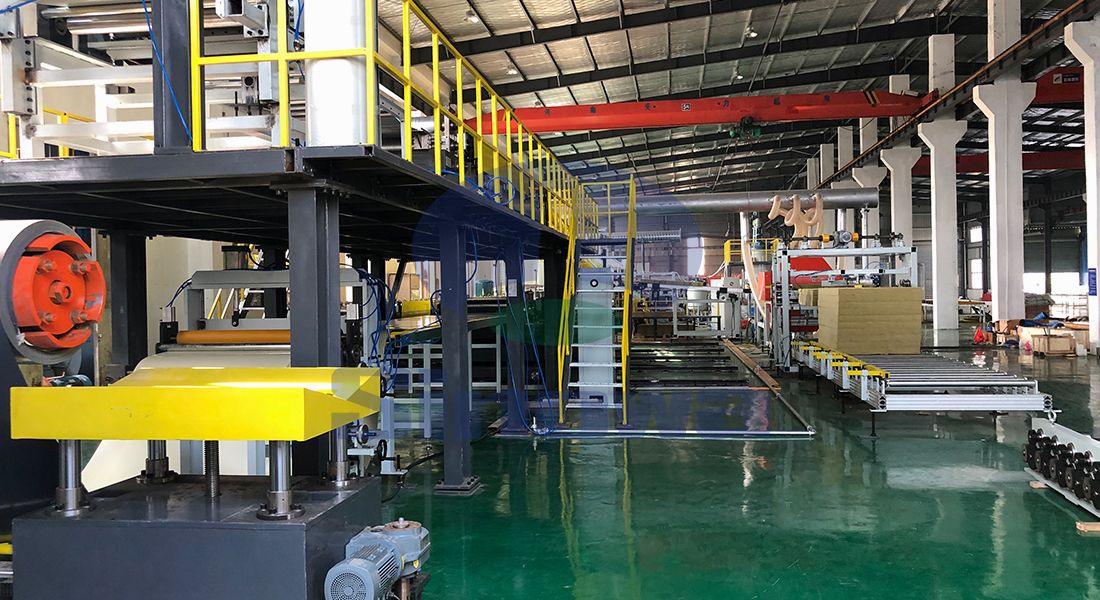
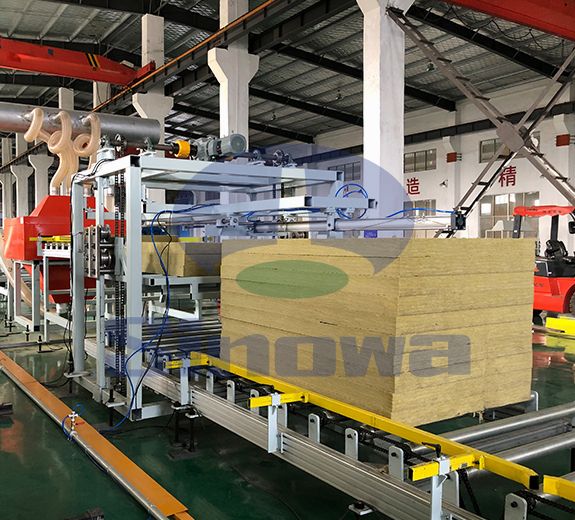
Dedicated to the research and development of high-end & high-efficiency , Sinowa is comprehensively taking the leading position in terms of efficiency, automation control level, HMI, environment protection and energy consumption, with subversive designs made in some critical technological fields to procure exceptional cost performance and customer-friendly experience for the entire .
The adoption of system integration technology and bus control technology accomplishes the full automatization of integrated and coordinated control of the entire sandwich panel line with accessible remote interactive communication.
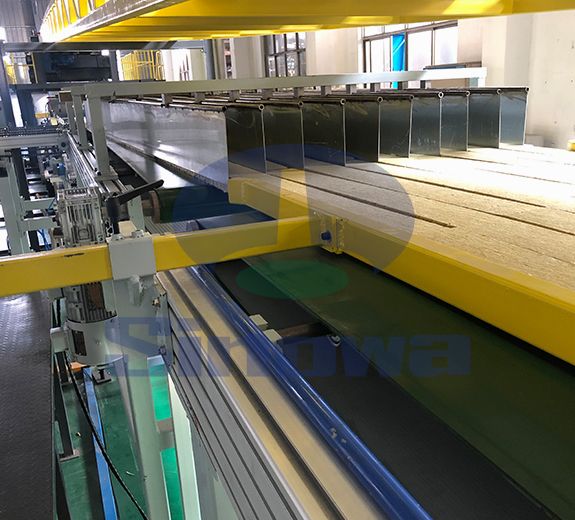
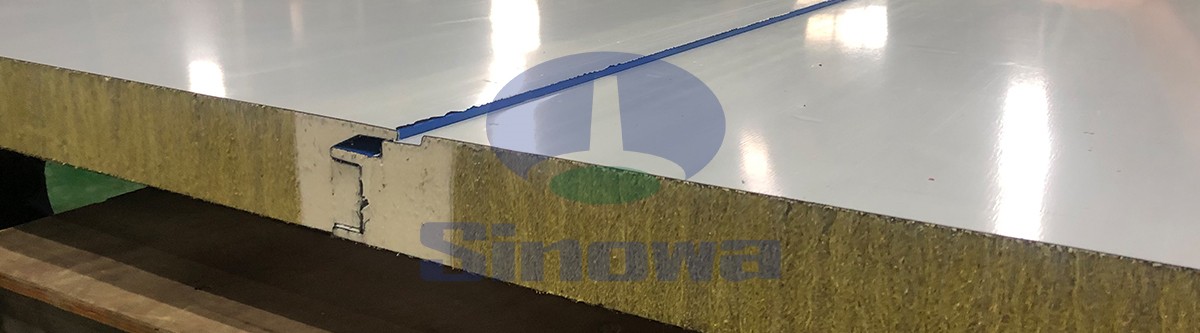
Based on the continuous technological pursuit, the developed by Sinowa provides you with high-efficiency industrial value. Based on China's cost advantage and our hard-working technology concept, our mineral wool sandwich panel line has a world-leading price-performance advantage. Continuous Rockwool Sandwich Panel Production Line can meet a variety of production needs of customers.The whole line design concept of modularization enables all our components to be integrated and combined at will.
Our can easily automate the production of roof sandwich panel, wall sandwich panel, cold storage sandwich panel and other products by different combination and configuration selection and siple switching. The inner core layer can be polyrethane or rock wool, glass wool, an so on.
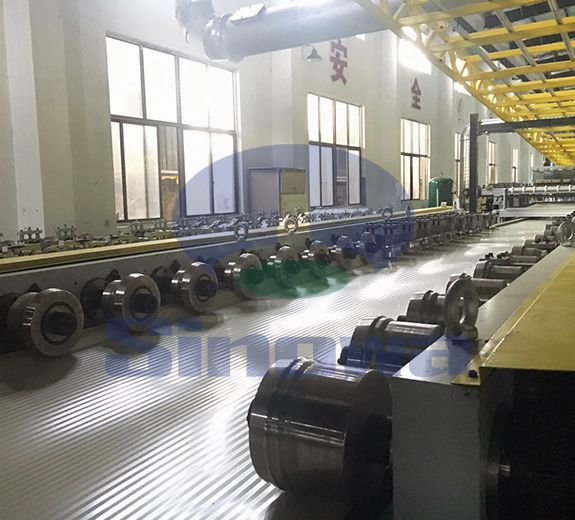
The has high adaptability, which may produce various sandwich panel of the PU, PIR and rock wool systems.
We may design various products according to the customer’s requirements, including various configurations, so as to meet their demands with flexible price system.
Highly integrated and linked control system centralizes all control points at the main central center, achieving parameter linkage, fault self-diagnosis controlled by the whole line and shipping distance control.
High-level automatic control system also saves the manpower and reduces the manpower loss for customers.
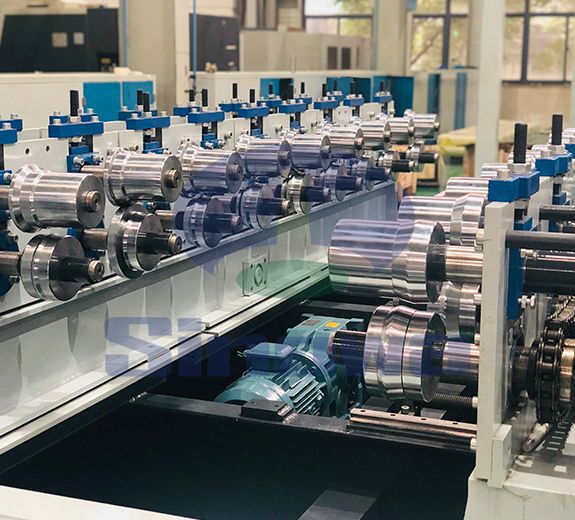
Concentrated system control is fully realized in the practice of concentrated process control so that the control system of all the movements of the parts in the line is integrated in one process control console with accessible remote communication to elevate the automation and reduce the allocated number of personnel for the assembly line.
The main engine with modularized design achieves the precision operation of the , stable and reliable quality, less part and maintenance loss.
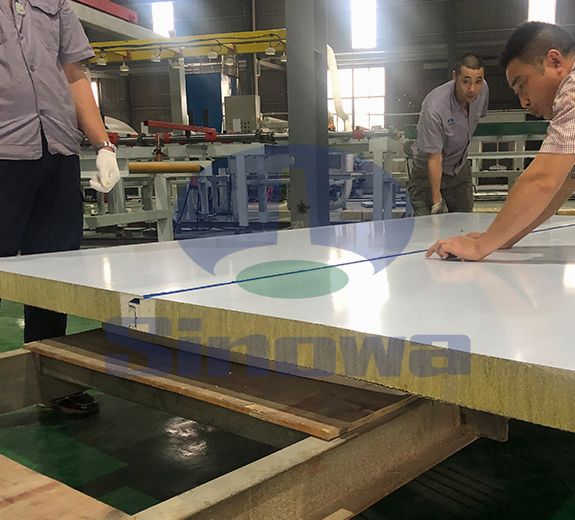
The whole pu sandwich panel line is strictly modularized in design to ensure the greatest probability for the parts to be interchangeable, making it the most cost- and energy-saving. No joining made manually, all the key processes of the parts are completed in the machining center. As soon as the parts are inspected and warehoused, they enter into the assembly process. The modularized assembly can not only greatly increase the production efficiency but, most importantly, realize quick delivery as well. It elevates the reliability of product quality to a totally new level and minimizes the influence from human factors.
The whole has over 40 innovative inventions, making our products have lots of unique features and the comprehensive performance of our production line leading in the industry.
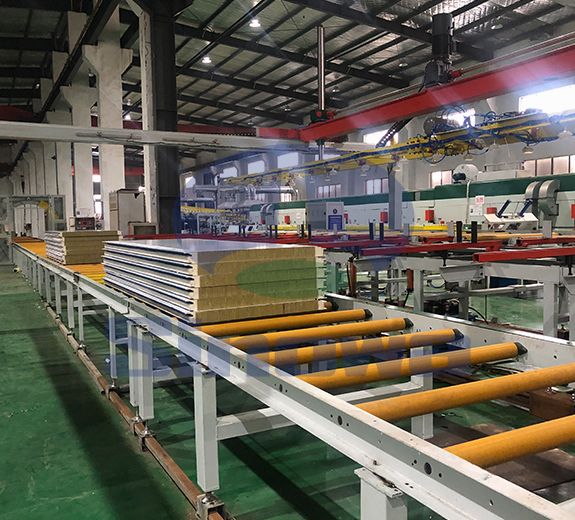
The precision servo hoisting mechanism employed by the main engine without hydraulic system makes the board thickness control flexible and the customer may conveniently change or adjust the board thickness. There will be not such troubles as hydraulic system adjustment, leakage, maintenance, etc.
High-level energy saving and protection design makes the whole possible to produce around the clock throughout the year and the customer will save huge budget. In addition, the isolated heat preservation room is constructed for warming the environment. The energy saving and protection design of our may guarantee that the customer’s rock wool sandwich panel line may be freely heated and produce in the main time to save more costs for customers.
The high-power low-consumption design quickens the reaction of the while energy consumption is kept low.
With the brand-new, fully sealed inner insulation design, the energy consumption is controlled at the minimum level to achieve the design objective of less than an hour for the insulation system to be activated from the room temperature above 5℃ to the production process temperature.
The energy consumption is only 40% that of those similar products.
| PRODUCTION TYPE | PU | PIR | PHENOLIC | |||
|---|---|---|---|---|---|---|
| PRODUCTION USE | INSULATION PANEL | DOCORATIVE PANEL | ||||
| SURFACE OF SHEET | ALUMINUM FOIL | NON-WOVEN FABRIC | PAPER | NAKED | ||
| PRODUCT THICKNESS | 10m--- 200mm | |||||
| PRODUCTION SPEED | 3.0m---25m |
|---|---|
| FOAMING METHOD | TWO OR MULTI COMPONENTS FOAMING |
| FOAMING AGENT | PENTANE OR 141B |
| LENGTH OF LINE | 45m—100m CUSTOMER OPTIONAL |
Sinowa is a well-known manufacturer and technical service provider of high-end polyurethane insulation board production lines and various high-performance cold roll forming machine in China. Our main products include polyurethane double-sided color steel sandwich panel production line, polyurethane and phenolic soft facing insulation panel production line and high-efficiency roll forming machines.
Sinowa has invested outstanding efforts in rock wool sandwich panel production line, This is why our products are more efficiency, quality, automatic control technology, environmental protection, energy consumption indicators and the appearance and safety protection are comprehensively leading, Some subversive design changes in many major technical points,these major innovations make our products excellent in price/performance and user experience.
Sinowa is committed to the development and manufacturing of high-end and high-efficiency rock wool sandwich panel production line. Our sandwich panel production lines are leading the way in efficiency, automatic control, human-computer interaction, environmental protection and energy consumption. Using system integration and bus control technology, it realizes the automatic integrated linkage control of the entire production line, and can achieve remote interactive communication, which has the world-class level and a comprehensive leading high-performance production line in the market.
The rock wool sandwich panel production line is a set of integrated mechanical equipment designed to manufacture high-performance composite panels with rock wool as the core material and metal sheets or other substrates as the surface layers. These panels are widely recognized for their excellent thermal insulation, fire resistance, sound absorption, and structural stability, making them indispensable materials in modern construction, industrial workshops, logistics warehouses, cold storage facilities, and many other fields. The production line combines multiple processes into a continuous and automated operation, ensuring consistent product quality, high production efficiency, and adaptability to various specifications and application requirements. With the global emphasis on energy conservation, environmental protection, and building safety continuously increasing, the demand for rock wool sandwich panels has grown steadily, driving the continuous upgrading and optimization of production line technology.

The operation of a rock wool sandwich panel production line involves a series of closely connected processes, each of which plays a crucial role in determining the final quality of the products. The entire production process starts from the preparation of raw materials and goes through core material processing, surface layer treatment, compounding, cutting, and packaging, forming a complete industrial chain. Each link requires precise control of parameters and strict quality inspection to ensure that the produced rock wool sandwich panels meet the required standards and can withstand the harsh conditions of different application scenarios.
Raw material preparation is the foundation of the entire production process, as the quality of raw materials directly affects the performance of the final panels. The main raw materials include rock wool core material, surface layer substrates, adhesive, and auxiliary materials. Rock wool, the core component, is made from natural rock such as basalt, diabase, or dolomite through high-temperature melting, fiberization, and other processes. It is characterized by non-combustibility, low thermal conductivity, and good sound absorption. Before entering the production line, the rock wool core material needs to be inspected for density, fiber length, and moisture content to ensure it meets the production requirements. The surface layer substrates are usually metal sheets, such as galvanized steel sheets or aluminum sheets, which provide structural support and protection for the core material. These substrates need to be cut into appropriate widths and lengths according to production specifications and undergo surface treatment to enhance their corrosion resistance and adhesion with the adhesive. The adhesive used in the production process must have strong bonding strength, good heat resistance, and environmental friendliness to ensure the firm combination of the core material and surface layers without delamination during long-term use.
After the raw materials are prepared, the rock wool core material enters the processing stage. This stage mainly includes leveling, cutting, and pre-pressing. The rock wool core material, which is usually supplied in rolls or blocks, is first fed into a leveling machine to eliminate unevenness and ensure a flat surface. Then, it is cut into the required thickness by a precision cutting machine. The cutting precision is strictly controlled to ensure that the thickness of the core material is consistent, which is crucial for the overall flatness and structural stability of the sandwich panels. In some advanced production lines, the cutting process is controlled by computer numerical control (CNC) technology, which can achieve high-precision cutting and adapt to different thickness requirements. After cutting, the rock wool core material is sent to a pre-pressing machine for pre-compression treatment. Pre-pressing can reduce the porosity of the rock wool, improve its density and structural strength, and make it easier to bond with the surface layers in the subsequent compounding process. The pre-pressing pressure and time are adjusted according to the properties of the rock wool and the requirements of the final product.
While the rock wool core material is being processed, the surface layer substrates are undergoing surface treatment. The surface treatment process mainly includes degreasing, phosphating, and coating. Degreasing is to remove oil stains, dust, and other impurities on the surface of the substrates to ensure the adhesion of the adhesive. Phosphating is a chemical treatment process that forms a dense phosphate film on the surface of the substrates, which can improve their corrosion resistance and enhance the bonding force between the substrate and the adhesive. Coating is to apply a layer of anti-corrosion or decorative coating on the surface of the substrates, which not only improves the service life of the panels but also enhances their appearance. The surface treatment process is usually carried out in a continuous production line, with strict control of temperature, time, and chemical concentration to ensure the quality of the surface treatment.
The compounding process is the core link of the rock wool sandwich panel production line, which combines the processed rock wool core material with the surface layer substrates into an integrated composite panel. The compounding process is usually completed in a continuous compounding machine, which consists of feeding, gluing, laminating, and pressing components. First, the surface layer substrates are fed into the compounding machine, and the adhesive is evenly applied to the surface of the substrates by a gluing machine. The gluing amount and gluing speed are precisely controlled to ensure that the adhesive is evenly distributed and the bonding strength is sufficient. Then, the processed rock wool core material is placed between the two surface layer substrates, and the three layers are laminated together. After lamination, the composite panel is sent to a pressing machine for hot pressing or cold pressing. Hot pressing is usually used for thermosetting adhesives, which can accelerate the curing of the adhesive and improve the bonding strength. Cold pressing is suitable for thermoplastic adhesives, which can avoid the deformation of the panel caused by high temperature. The pressing pressure, temperature, and time are key parameters in the compounding process, which need to be adjusted according to the type of adhesive, the thickness of the panel, and the performance requirements.
In the compounding process, ensuring the uniform distribution of the adhesive and the close fit between the core material and the surface layers is crucial to avoid delamination. Some advanced production lines are equipped with automatic glue coating systems and PLC precise control technology, which can eliminate the experience dependence of manual gluing and the differences between batches, ensuring the uniformity of the adhesive layer and the bonding quality of the interface. In addition, the compounding machine is also equipped with a deviation correction device to ensure that the surface layer substrates and the core material are aligned accurately, avoiding the deviation of the panel and affecting the product quality. The compounding speed of the production line can be adjusted according to the production capacity requirements, usually ranging from 12 to 25 meters per minute, which can meet the needs of large-scale production.
After the compounding process, the continuous composite panel is sent to the cutting stage. The cutting stage is to cut the continuous panel into finished products of the required length according to customer orders. The cutting machine used in this stage is usually a CNC cutting machine, which has high cutting precision and fast cutting speed. The cutting length can be set freely according to the requirements, and the cutting process is automatic, which reduces manual operation and improves production efficiency. During the cutting process, it is necessary to ensure that the cutting surface is flat and smooth, without burrs or cracks, to avoid affecting the installation and use of the panels. After cutting, the finished panels are sent to the inspection station for quality inspection.
Quality inspection is an important link in the production process, which ensures that the finished products meet the required standards. The inspection items mainly include the thickness, flatness, bonding strength, density, thermal conductivity, fire resistance, and appearance of the panels. The thickness and flatness are inspected by precision measuring instruments to ensure that they are within the allowable error range. The bonding strength is tested by a tensile testing machine to ensure that the core material and the surface layers are firmly bonded and will not delaminate. The density and thermal conductivity are tested according to relevant standards to ensure the thermal insulation performance of the panels. The fire resistance is tested by a fire test to ensure that the panels meet the required fire resistance grade. The appearance inspection is to check whether there are scratches, dents, or other defects on the surface of the panels. Any unqualified products will be sorted out and reprocessed or scrapped to ensure the quality of the delivered products.
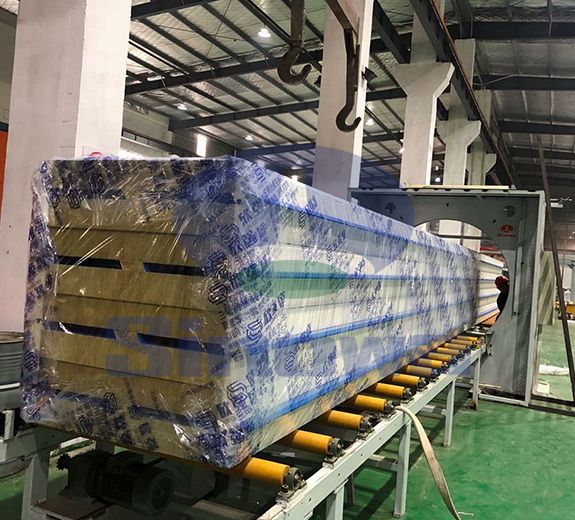
After passing the quality inspection, the finished rock wool sandwich panels are sent to the packaging stage. The packaging process is to protect the panels from damage during transportation and storage. The packaging materials usually include plastic film, foam, and wooden pallets. The panels are first wrapped with plastic film to prevent moisture and dust, then placed on wooden pallets and fixed with straps to ensure that they are stable during transportation. The packaging process can be manual or automatic. Automatic packaging lines are usually used in large-scale production, which can improve packaging efficiency and reduce manual labor. The packaging specifications can be adjusted according to the size and quantity of the panels to meet the needs of different transportation methods.
The rock wool sandwich panel production line is highly automated, which can greatly reduce manual operation and improve production efficiency. Most of the processes are completed by mechanical equipment, and only a small number of operators are needed to monitor and adjust the equipment. The automation level of the production line is reflected in the automatic control of each process, such as automatic feeding, automatic gluing, automatic compounding, automatic cutting, and automatic packaging. The production line is equipped with a central control system, which can monitor the operation status of each equipment in real-time, collect production data, and adjust parameters in a timely manner to ensure the stable operation of the production line. In addition, the central control system can also realize remote monitoring and fault diagnosis, which is convenient for equipment maintenance and management.
The flexibility of the rock wool sandwich panel production line is another important feature. It can produce panels of different specifications, thicknesses, and surface materials according to customer needs. The thickness of the rock wool core material can be adjusted from 30mm to 300mm, and the width and length of the panels can also be customized. The surface layer substrates can be replaced with different materials, such as galvanized steel sheets, aluminum sheets, or color steel sheets, to meet different application requirements. The production line can quickly switch between different specifications and products, reducing the time of equipment adjustment and improving production efficiency. This flexibility makes the production line suitable for small-batch, multi-variety production, and can better meet the diverse needs of the market.
Energy conservation and environmental protection are important development trends of the rock wool sandwich panel production line. In the production process, the equipment adopts energy-saving technologies, such as frequency conversion control, which can reduce energy consumption. The waste generated in the production process, such as rock wool scraps and metal scraps, can be recycled and reused, reducing environmental pollution. The adhesive used in the production process is usually environmentally friendly, which does not contain harmful substances and meets the requirements of environmental protection standards. In addition, the rock wool sandwich panels themselves are environmentally friendly and recyclable, which can reduce the impact on the environment and conform to the concept of sustainable development.
The application scope of rock wool sandwich panels produced by the production line is very wide. In the field of construction, they are used for external walls, internal partitions, roofs, and floors of residential buildings, commercial buildings, and industrial workshops, providing good thermal insulation and fire protection performance. In industrial workshops, especially in factories with high temperature, high humidity, or flammable and explosive materials, rock wool sandwich panels are used to build partitions and walls, which can effectively prevent fire and reduce noise. In logistics warehouses and cold storage facilities, the panels are used to maintain the temperature inside the warehouse, reducing energy consumption. In addition, they are also used in public buildings such as airports, stadiums, and hospitals, as well as in the field of shipbuilding and vehicle manufacturing, showing broad market prospects.
With the continuous development of science and technology, the rock wool sandwich panel production line is constantly upgrading and improving. The future development trend is mainly reflected in the following aspects: first, the automation level will be further improved, realizing full-process automation from raw material preparation to finished product packaging, reducing manual intervention and improving production efficiency and product quality. Second, the intelligence level will be enhanced, integrating Internet of Things, big data, and artificial intelligence technologies into the production line, realizing intelligent monitoring, intelligent adjustment, and intelligent maintenance of the production process. Third, the energy conservation and environmental protection performance will be further optimized, adopting more advanced energy-saving technologies and environmentally friendly materials, reducing energy consumption and environmental pollution. Fourth, the production line will be more flexible and versatile, able to produce more types of composite panels to meet the increasingly diverse market needs.
In the process of using the rock wool sandwich panel production line, daily maintenance and maintenance are very important, which can extend the service life of the equipment and ensure the stable operation of the production line. Daily maintenance includes cleaning the equipment, checking the operation status of each component, adding lubricating oil, and tightening loose parts. Regular maintenance includes disassembling and inspecting key components, replacing worn parts, and calibrating the precision of the equipment. The maintenance personnel should be trained professionally to master the structure and working principle of the equipment, and be able to quickly diagnose and solve faults. In addition, the production line should be operated in strict accordance with the operating procedures to avoid improper operation leading to equipment damage or product quality problems.
In conclusion, the rock wool sandwich panel production line is a key equipment in the production of rock wool sandwich panels, which integrates multiple processes such as raw material preparation, core material processing, surface layer treatment, compounding, cutting, and packaging. It has the characteristics of high automation, high production efficiency, good product quality, and strong flexibility, and can meet the needs of large-scale and multi-variety production. With the continuous improvement of global energy conservation and environmental protection requirements and the continuous expansion of the application field of rock wool sandwich panels, the rock wool sandwich panel production line will play an increasingly important role in the building materials industry. The continuous upgrading and optimization of production line technology will promote the development of the rock wool sandwich panel industry in a more efficient, energy-saving, and environmentally friendly direction, providing strong support for the sustainable development of the construction industry and related fields.
«Rock Wool Sandwich Panel Production Line» Update Date:2026/5/7
URL: https://www.sinowa.cn/en/blog/rock-wool-sandwich-panel-production-line.html