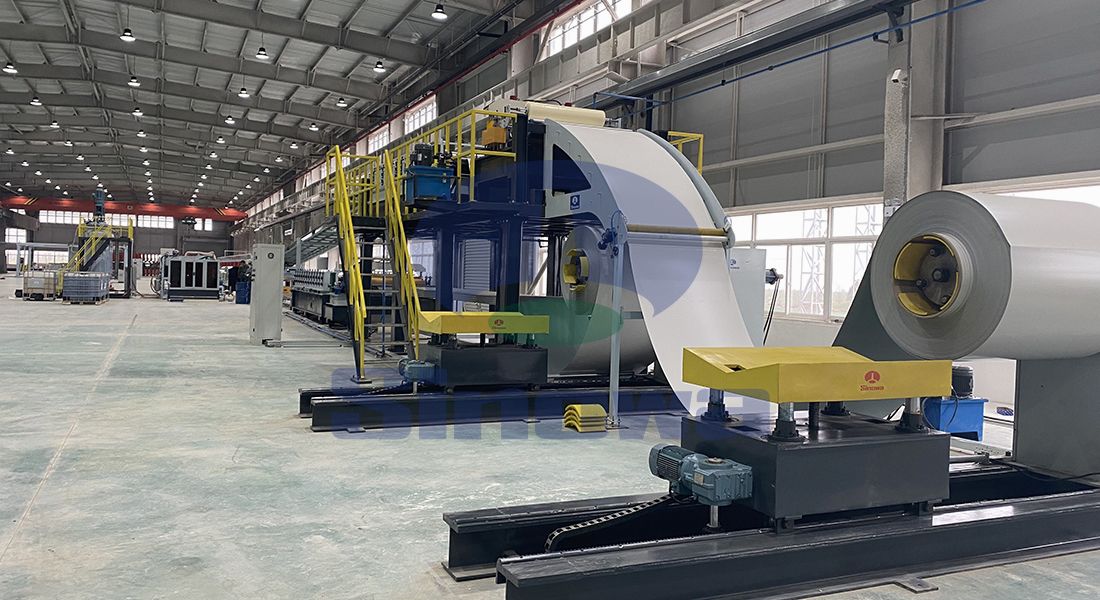
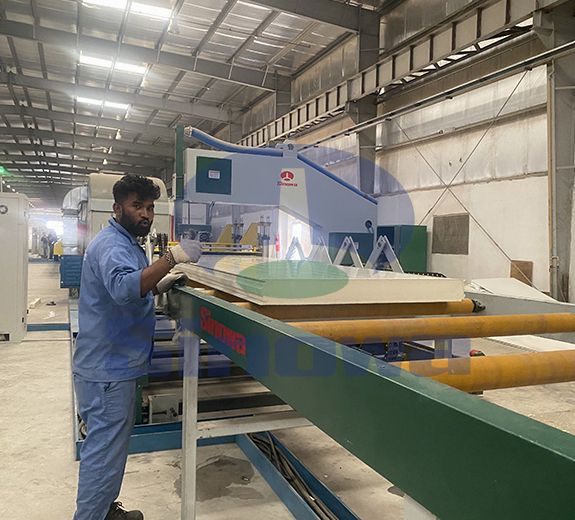
Sinowa is a well-known PU Panel Machines Supplier From China, Dedicated to the research and development of high-end & high-efficiency pu panel machine, Sinowa is comprehensively taking the leading position in terms of efficiency, automation control level, HMI, environment protection and energy consumption, with subversive designs made in some critical technological fields to procure exceptional cost performance and customer-friendly experience for the entire pu panel machine.
The adoption of system integration technology and bus control technology accomplishes the full automatization of integrated and coordinated control of the entire pu panel machine with accessible remote interactive communication. Ranking the first-class level in the world, it is currently the continuous pu sandwich panel line in the market taking a comprehensive lead in high performance.
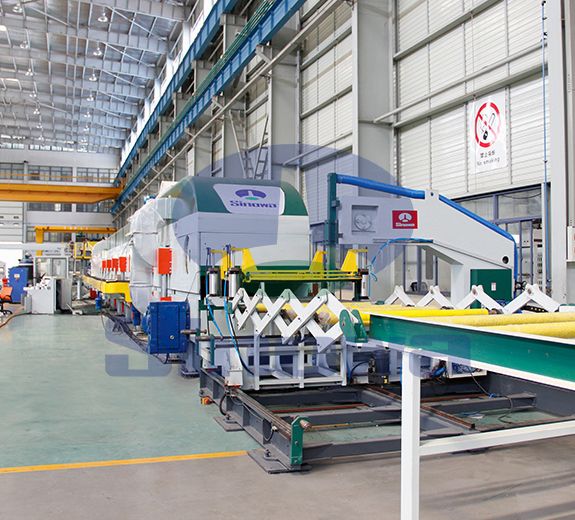
Based on the continuous technological pursuit, the pu panel machine developed by Sinowa provides you with high-efficiency industrial value. Based on China's cost advantage and our hard-working technology concept, our sandwich panel production line has a world-leading price-performance advantage. PU Panel Machine can meet a variety of production needs of customers.The whole sandwich panel line design concept of modularization enables all our components to be integrated and combined at will.
Our pu panel machine can easily automate the production of roof sandwich panel, wall sandwich panel, cold storage sandwich panel and other products by different combination and configuration selection and siple switching. The inner core layer can be polyrethane or rock wool, glass wool, an so on.
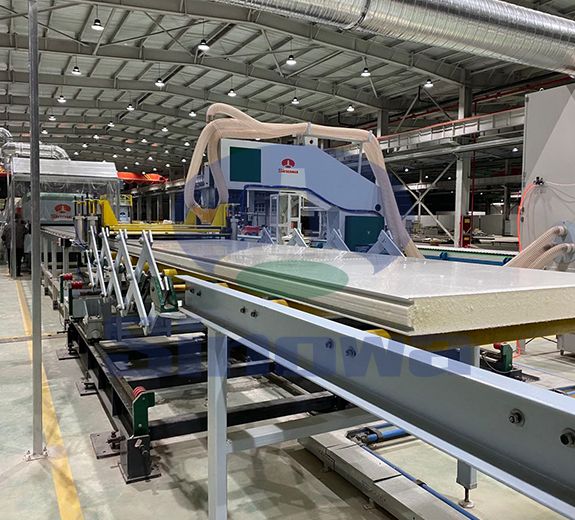
The pu panel machine has high adaptability, which may produce various sandwich panel of the PU, PIR and rock wool systems.
We may design various products according to the customer’s requirements, including various configurations, so as to meet their demands with flexible price system.
Highly integrated and linked control system centralizes all control points at the main central center, achieving parameter linkage, fault self-diagnosis controlled by the whole continuous sandwich panel line and shipping distance control.
High-level automatic control system also saves the manpower and reduces the manpower loss for customers.
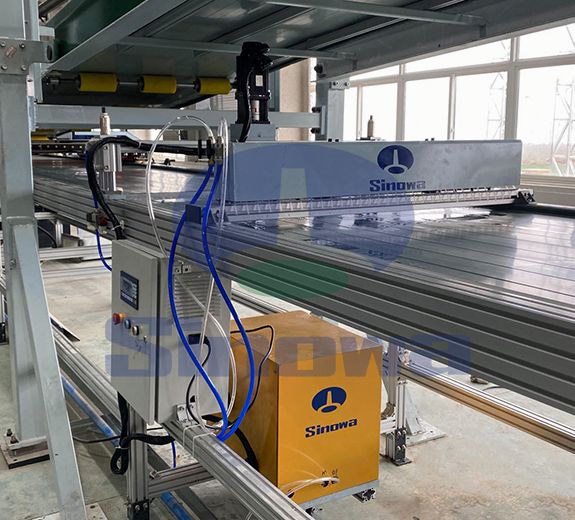
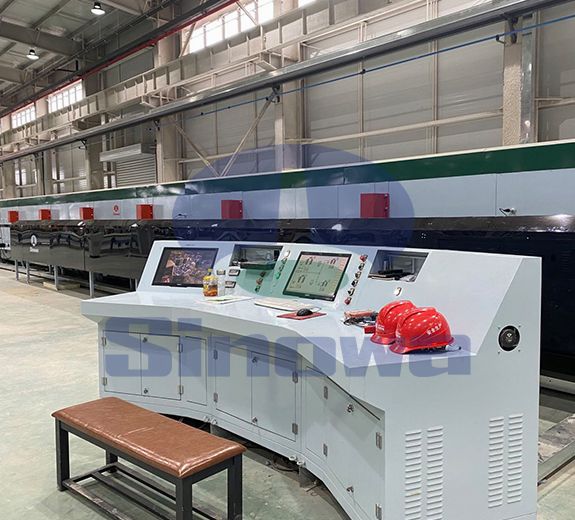
Concentrated system control is fully realized in the practice of concentrated process control so that the control system of all the movements of the parts in the pu panel machine is integrated in one process control console with accessible remote communication to elevate the automation and reduce the allocated number of personnel for the assembly line.
The main engine with modularized design achieves the precision operation of the pu panel machine, stable and reliable quality, less part and maintenance loss.
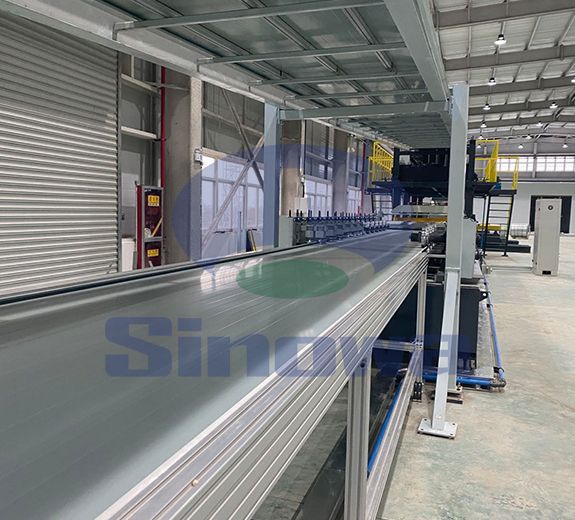
The whole pu panel machine is strictly modularized in design to ensure the greatest probability for the parts to be interchangeable, making it the most cost- and energy-saving. No joining made manually, all the key processes of the parts are completed in the machining center. As soon as the parts are inspected and warehoused, they enter into the assembly process. The modularized assembly can not only greatly increase the production efficiency but, most importantly, realize quick delivery as well. It elevates the reliability of product quality to a totally new level and minimizes the influence from human factors.
The whole pu panel machine has over 40 innovative inventions, making our products have lots of unique features and the comprehensive performance of our production line leading in the industry.
The precision servo hoisting mechanism employed by the main engine without hydraulic system makes the board thickness control flexible and the customer may conveniently change or adjust the board thickness. There will be not such troubles as hydraulic system adjustment, leakage, maintenance, etc.
High-level energy saving and protection design makes the whole pu panel machine possible to produce around the clock throughout the year and the customer will save huge budget. In addition, the isolated heat preservation room is constructed for warming the environment. The energy saving and protection design of our high-tech pu panel machine may guarantee that the customer’s production line may be freely heated and produce in the main time to save more costs for customers.
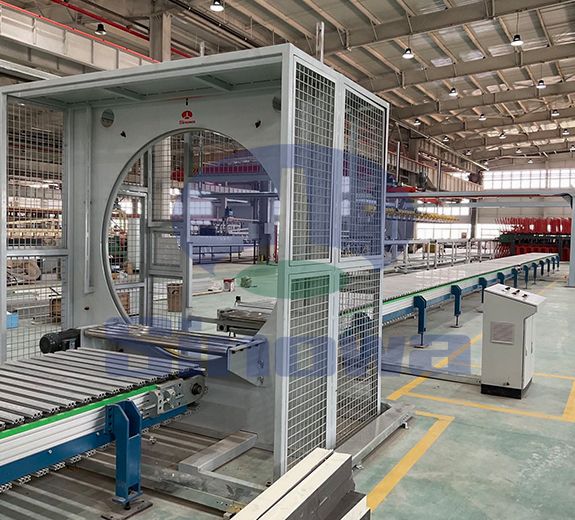
The high-power low-consumption design quickens the reaction of the pu panel machine while energy consumption is kept low.
With the brand-new, fully sealed inner insulation design, the energy consumption is controlled at the minimum level to achieve the design objective of less than an hour for the insulation system to be activated from the room temperature above 5℃ to the production process temperature.
The energy consumption is only 40% that of those similar products.
| PRODUCTION TYPE | PU | PIR | PHENOLIC | |||
|---|---|---|---|---|---|---|
| PRODUCTION USE | INSULATION PANEL | DOCORATIVE PANEL | ||||
| SURFACE OF SHEET | ALUMINUM FOIL | NON-WOVEN FABRIC | PAPER | NAKED | ||
| PRODUCT THICKNESS | 10m--- 200mm | |||||
| PRODUCTION SPEED | 3.0m---25m |
|---|---|
| FOAMING METHOD | TWO OR MULTI COMPONENTS FOAMING |
| FOAMING AGENT | PENTANE OR 141B |
| LENGTH OF LINE | 45m—100m CUSTOMER OPTIONAL |
Sinowa is a well-known manufacturer and technical service provider of high-end polyurethane insulation board production lines and various high-performance cold roll forming machine in China. Our main products include polyurethane double-sided color steel sandwich panel production line, polyurethane and phenolic soft facing insulation panel production line and high-efficiency roll forming machines.
Sinowa has invested outstanding efforts in pu panel machines, This is why our products are more efficiency, quality, automatic control technology, environmental protection, energy consumption indicators and the appearance and safety protection are comprehensively leading, Some subversive design changes in many major technical points,these major innovations make our products excellent in price/performance and user experience.
Sinowa is committed to the development and manufacturing of high-end and high-efficiency pu panel machines. Our sandwich panel production lines are leading the way in efficiency, automatic control, human-computer interaction, environmental protection and energy consumption. Using system integration and bus control technology, it realizes the automatic integrated linkage control of the entire production line, and can achieve remote interactive communication, which has the world-class level and a comprehensive leading high-performance production line in the market.
PU panel machines stand as specialized industrial equipment built to produce composite panels with polyurethane foam cores, a material widely valued for its balanced thermal performance and structural stability. At the heart of these machines lies a continuous forming workflow that combines raw material feeding, precise chemical mixing, foam reaction, and surface lamination into one connected production sequence. Operators oversee the delivery of polyol and isocyanate components, adjusting flow rates to shape the density and cellular structure of the foam that forms between two facing sheets. The equipment is engineered to maintain consistent pressure and temperature throughout the reaction phase, because even minor fluctuations can create uneven foam distribution, weak bonding, or surface defects on the finished panels. Many core components work in tandem to support this process, including metering units that control liquid inputs, mixing heads that blend reactive chemicals instantly, and conveyor systems that carry the layered materials steadily through the curing zone. Beyond basic shaping, these machines are designed to accommodate different facing materials, which gives manufacturers flexibility to make panels suited for light enclosure builds and insulated envelope assemblies. Careful alignment of all moving parts reduces waste during each run, while steady reaction control ensures that each panel achieves uniform thickness and reliable adhesion between the foam core and outer facings.

The mixing station represents one of the most sensitive sections within a PU panel machine, where the two primary liquid reactants combine right before being deposited onto the moving base sheet. The mixing head uses high-speed agitation to blend chemicals thoroughly in a very short window, as the polyurethane reaction begins immediately once the components come into contact. If blending is incomplete, sections of the foam will cure incorrectly, leading to soft spots, voids, or areas that fail to bond firmly to the facings. Operators monitor pressure readings and flow behaviour at this station to fine-tune ratios for different product requirements, whether the target is a lighter, more flexible foam or a rigid, load-bearing core. The station is constructed with easy-clean features to remove residual cured material between production shifts, since leftover hardened foam can block internal channels and disrupt mixing accuracy in subsequent batches. Seals and gaskets around the mixing chamber are built to resist the corrosive nature of the reactive liquids, extending service life and lowering the frequency of unplanned downtime. This part of the machine demands regular visual inspection, as slow leaks or gradual wear can grow into major production interruptions if left unaddressed. Stable performance at the mixing stage directly defines the overall quality of every panel that moves forward along the production line.
After the mixed PU liquid is dispensed, the layered assembly enters the double-belt pressing section, which defines the final thickness and flatness of the panel while the foam expands and cures. The upper and lower belts move at matching speeds to hold the facing materials taut and parallel, preventing wrinkling, shifting, or distortion as the foam expands under controlled confinement. Adjustable gaps between the belts allow the line to switch between thinner panels for partition use and thicker panels built for enhanced thermal resistance. Pressure applied by the belt system is distributed evenly across the full width of the product, so the expanding foam fills the available space without creating bulges or thin zones. Heating elements integrated into the belt frame support consistent curing speed, helping the foam develop its intended cell structure within a predictable time frame. The belts themselves are made from durable, smooth materials that release cleanly from panel surfaces and resist buildup of sticky foam residue. This continuous pressing method differs from batch moulding processes, as it enables uninterrupted output once parameters are properly set. Maintaining belt alignment and uniform tension is essential, because misalignment can create diagonal marks, uneven edges, and inconsistent panel geometry across long production runs.
Curing time inside the PU panel machine’s forming tunnel is carefully matched to the chemical formulation and the thickness of the panel being produced. As the foam expands, cross-linking reactions transform the liquid mixture into a solid, closed-cell or open-cell foam matrix, locking in the panel’s insulating and mechanical properties. If panels exit the tunnel too early, the foam remains partially reactive and may continue expanding after cutting, causing warping or separation of the facings. Overly long curing cycles reduce overall line throughput and can make the foam overly brittle, reducing its ability to absorb minor structural stress. Temperature zones along the tunnel can be adjusted gradually rather than set to a single static value, supporting a gentle progression from active expansion to stable hardening. Air circulation within the enclosure helps dissipate minor heat variations that naturally occur during the exothermic polyurethane reaction. Operators learn to read subtle visual cues from cured panel samples, checking surface hardness, cut cross-sections, and flexibility to confirm that curing settings remain appropriate as ambient workshop temperatures change. Stable curing control creates a reliable baseline so finished panels behave predictably when handled, transported, and installed later on site.
Once the continuous slab of cured panel exits the pressing and curing tunnel, the machine’s cutting unit trims the material to targeted lengths and prepares clean, straight edges for final handling. Flying cut-off systems are commonly integrated here, meaning the cutting mechanism moves synchronously with the travelling panel instead of stopping the entire line during each cut. This synchronous motion preserves production rhythm and avoids gaps that would reduce total output volume. Cutting tools are engineered to slice cleanly through both the outer facings and the foam core without crushing the cellular structure or tearing surface layers. Edge trimming attachments can remove uneven side margins from the continuous slab, ensuring every finished panel has uniform width and neatly squared edges. Fine adjustments to cutting speed and blade pressure prevent chipping along cut surfaces, an important detail when panels will later be joined together with interlocking profiles. Waste trimmings collected at this stage can be gathered separately for downstream handling, keeping the working area clear and reducing interference with moving components. The cutting station also includes safety interlocks that halt movement if access panels are opened during operation, protecting staff from contact with sharp moving blades. Accurate cutting ensures panels fit neatly during assembly and reduces extra labour required for on-site trimming.
Many PU panel machine configurations include profile forming sections that shape interlocking joints along the longitudinal edges of panels as they travel through the line. These formed profiles allow adjacent panels to slot together tightly during installation, creating continuous insulated surfaces with minimal gaps between units. Profile rollers or milling tools reshape the edge regions of the facings and foam core without breaking the bond between layers, forming tongue-and-groove or other connection geometries as required. Adjustments to these forming tools change the depth and shape of joints, letting the same base line produce panels for different assembly systems. Care must be taken to avoid compressing the foam core excessively during profiling, as crushed foam at the edges weakens insulation performance and can create cold bridges once installed. Operators regularly inspect sample profiles by fitting two panels together to check for smooth engagement and consistent contact along the joint length. Tooling for profile shaping is designed for quick changeover, which helps manufacturers switch between product types without lengthy teardown and setup work. Well-formed joints lower reliance on extra sealing materials during installation and improve the overall integrity of the finished insulated envelope.
Automation support systems built into modern PU panel machines simplify parameter management and reduce the chance of human error during extended production runs. Central control interfaces display real-time readings for chemical flow, belt speed, tunnel temperature, panel thickness, and cutting length in one accessible view. Preset recipe storage allows teams to recall proven settings for specific panel types, cutting down the time needed to stabilise output after a product change. Sensors placed at key positions along the line detect unusual conditions such as low raw material supply, belt slippage, or unexpected pressure spikes, triggering alerts before defective panels accumulate. Some systems log production data over time, giving managers visibility into run duration, material consumption, and frequency of adjustments needed across shifts. Even with advanced automation, skilled operators remain necessary to interpret alerts, respond to subtle material behaviour changes, and validate panel quality through physical checks. Automation does not remove the need for routine maintenance, but it makes irregularities easier to spot early and supports more consistent output across day and night shifts. Balanced use of automated monitoring and human oversight creates a stable production environment that balances speed and quality control.
Material handling subsystems work alongside the main forming line to feed facing rolls, support finished panel removal, and manage the flow of product after cutting. Unwinding stations hold large rolls of facing material, maintaining steady tension to stop creases, snags, or uneven feed as the sheets move toward the mixing area. Tension control is critical because slack or over-tight facings shift during foam expansion and create crooked or wrinkled panels. After cutting, discharge conveyors carry finished panels away from the machine toward stacking areas, with soft support surfaces to prevent scratching or denting the panel faces. Stacking mechanisms arrange panels in neat piles to simplify wrapping and transport, separating layers when needed to avoid surface damage during storage. These handling parts are synchronised with the main line speed so panels do not back up or pull unevenly on the forming sections. Dust and small foam fragments generated during cutting and profiling are captured by local extraction systems, keeping the working environment cleaner and preventing debris from falling onto fresh panel surfaces. Smooth material flow from unwinding all the way to stacking reduces manual lifting and minimises the risk of accidental panel damage before products leave the production space.
Routine maintenance shapes the long-term reliability of PU panel machines and directly limits unplanned stoppages that disrupt production schedules. Daily maintenance tasks focus on cleaning the mixing head, checking liquid supply lines for signs of seepage, and verifying the condition of cutting blades and profile tooling. Weekly checks examine belt tension, alignment, and surface wear, alongside inspection of seals, bearings, and moving joints that experience constant friction. Lubrication points are serviced at set intervals to reduce wear on drive chains, rollers, and guide mechanisms, while filters for chemical feed lines are replaced to block contaminants that could clog metering equipment. Storage conditions for spare parts are organised so worn components can be swapped out quickly when needed. Maintenance teams also review abnormal event logs from the control system to spot slowly developing issues before they escalate into breakdowns. Skipping scheduled care often leads to declining panel quality first, such as inconsistent foam density or ragged cuts, before the machine stops entirely. A structured maintenance programme extends the usable lifespan of the equipment and helps keep production output predictable month after month.
The versatility of PU panel machines makes them a valuable asset for operations focused on insulated composite panels, as the same core line can produce products suited for many different end-use applications. Adjustments to chemical ratios, belt gaps, curing profiles, facing materials, and edge profiles create a wide spectrum of panel variants without requiring complete replacement of major machine sections. Output from these lines supports enclosed structures that benefit from thermal control, where stable insulation and fast panel assembly are key priorities. While the equipment demands careful handling of reactive raw materials and consistent process discipline, the continuous production model delivers high volumes of uniform panels compared to slower mould-based alternatives. Ongoing refinements to machine design continue to improve material efficiency, reduce waste generation, and simplify adjustments between product formats. Those who operate and maintain these machines develop deep practical knowledge of how each setting interacts with foam behaviour, facings, and final panel performance. As demand grows for insulated building components that combine light weight with good thermal characteristics, PU panel machines remain central to efficient manufacturing workflows for composite insulated panels. Every finished panel rolling off such a line reflects the precision of coordinated chemical delivery, controlled expansion, steady pressing, and careful finishing built into the machine’s integrated design.
pu panel machine, pu panel machine manufacturer, pu panel machine for sale, pu panel machine supplier, China pu panel machine, Custom pu panel machine
«PU Panel Machines» Update Date:2026/10/27
URL: https://www.sinowa.cn/en/blog/pu-panel-machines.html
Tags: PU sandwich panel line , PU sandwich panel machine , PU sandwich panel production line , sandwich panel line , sandwich panel machine , sandwich panel production line
